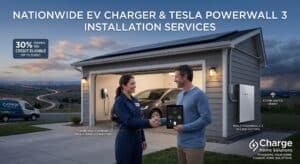
As the United States races toward electrification, incentives can significantly reduce the cost of EV chargers, Tesla Powerwall batteries, and panel upgrades. This guide provides a high-level overview of federal programs and explains why state incentives vary. Consult your local utility or state energy office for the most current rebate details.
Federal Tax Credits & National Programs
The U.S. federal government offers tax credits for qualified EV charger installations and energy storage systems. These credits typically cover a percentage of the hardware and installation cost up to a specified maximum. Additionally, some nationwide programs from automakers and manufacturers provide installation rebates when using certified installers.
State Incentives
States offer unique incentives, including rebates, grants, or tax credits for residential and commercial installations. Incentives often depend on available budget, utility participation, and legislative priorities, so programs change annually. Examples include:
- California: Rebates for Level 2 EV chargers and demand-responsive rates through the California Electric Vehicle Infrastructure Project (CALeVIP).
- New York: NYSERDA’s Charge Ready program provides incentives for commercial and workplace charging stations.
- Texas: The Texas Emissions Reduction Plan (TERP) offers grants for public and commercial EV charging infrastructure.
- Florida: Utility-sponsored programs offer rebates on residential EV chargers and battery storage.
- North Carolina: Duke Energy and state grants support Level 2 and DC fast charger installations in both urban and rural areas.
Because incentives vary widely by region and change over time, we recommend contacting your state energy office or utility company to confirm current offers and eligibility requirements.
How to Maximize Incentives
- Combine federal tax credits with state or utility rebates to reduce your net cost.
- Time your installation to align with open application windows and funding cycles.
- Upgrade your electrical panel or install a smart panel at the same time as your EV charger or Powerwall to ensure compatibility and avoid future labor costs.
Why Choose a Certified Tesla Installer
Certified Tesla installers receive factory training and adhere to strict standards for Wall Connector and Powerwall installations. Working with a certified installer ensures your system is eligible for manufacturer-backed incentives and maintains warranty coverage.
Frequently Asked Questions (FAQ)
Q1: How much do EV charger installations cost?
Most residential installations range from $500 to $2,500 depending on wiring, panel upgrades, and charger type.
Q2: Do I need a permit for an EV charger?
Yes. Most jurisdictions require permits and inspections to ensure safe installation. A certified installer will handle these for you.
Q3: Can Powerwall work without solar?
Yes. Powerwall can store energy from the grid for backup; however, pairing with solar maximizes benefits and incentives.
Q4: How often do state incentives change?
Incentive funding often renews annually or until funds are exhausted. Check with your state energy office regularly.
Q5: Are commercial incentives available?
Many states offer grants for workplace or fleet charging; amounts and eligibility vary.
Q6: What size panel do I need for a Level 2 EV charger?
Most Level 2 chargers require 200 amps service. Upgrading a 100 amp panel ensures capacity for current and future loads.
Q7: How long does Powerwall installation take?
Installations typically take one day, but additional time may be needed for permitting or panel upgrades.
Q8: Can I install multiple chargers at one property?
Yes. Load-sharing features allow two or more chargers on a single circuit; discuss options with your installer.
Q9: Do incentives apply to used or refurbished equipment?
In most cases, incentives apply only to new equipment installed by a certified professional.
Q10: How do I apply for rebates?
After installation, submit your invoice and required documentation to the applicable program. Your installer can guide you through the process.