


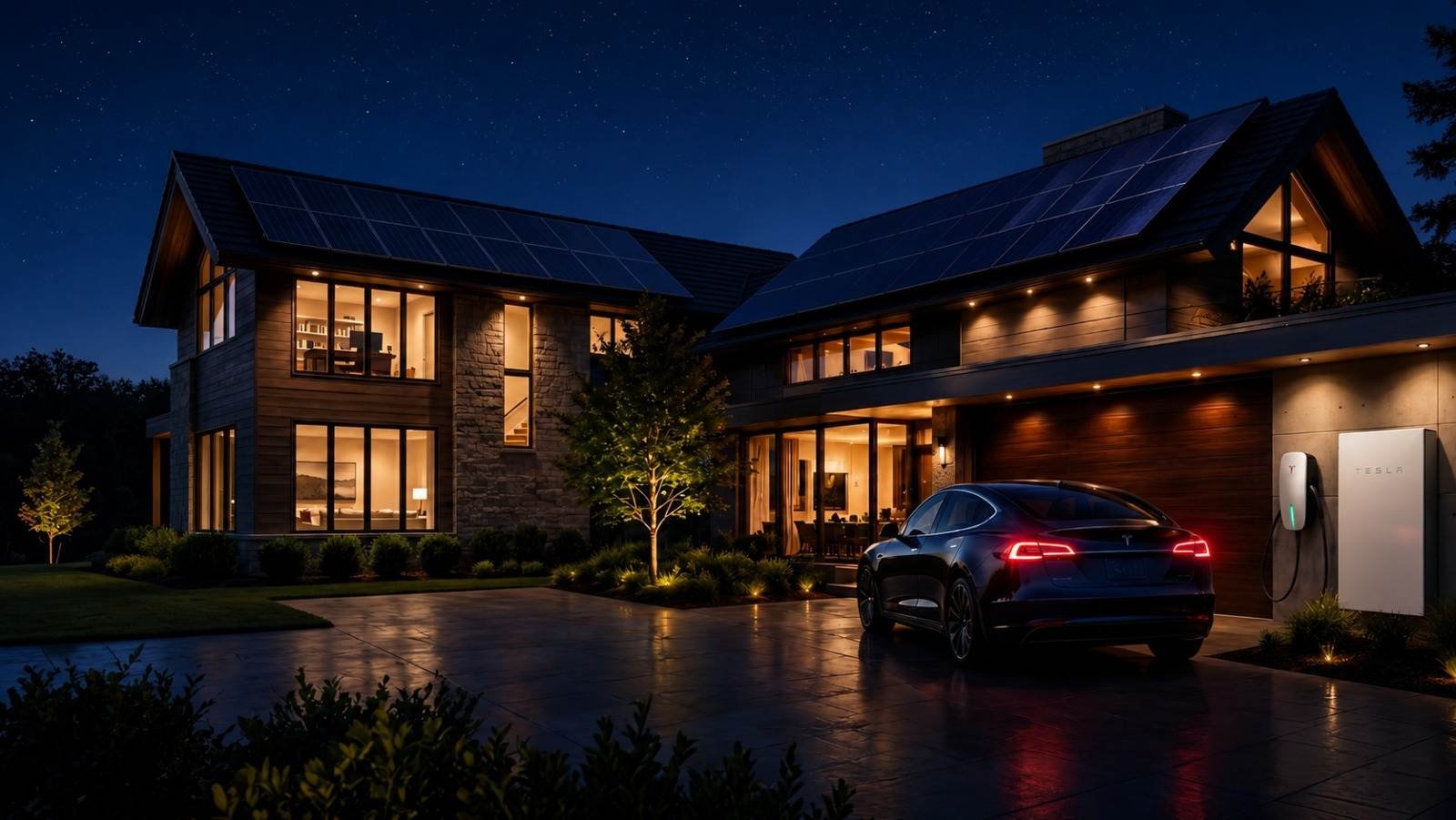
EV Charger Rebates
The federal 30C charger credit ended for property placed in service after June 30, 2026. State and utility rebates are now what lower the cost of a home EV charger, and many utilities still fund them generously.
Available incentives
| Program | Amount | Who qualifies |
|---|---|---|
| Utility charger rebate | $100–$700 typical | Many electric utilities, varies by provider |
| State / local rebate | Varies | Select states and municipalities |
- › Program availability depends on your address and utility, we check the current list for you.
- › Utility rebates often require a Level 2 charger and a licensed-electrician install.
Amounts and eligibility vary by location and change over time. Use the Savings Finder to see exactly what you qualify for at your address.
EV charger incentives explained
Installing a home EV charger can cost less than the sticker price once you factor in incentives. The federal 30C tax credit expired for chargers placed in service after June 30, 2026, so the money now comes from utility rebates, which hundreds of electric utilities still run, plus state and municipal programs.
Where a state or local program overlaps a utility rebate, the two often stack, which is worth confirming before you book a Level 2 charger install.
Who qualifies for a charger rebate
Charger incentives are location-based: your electric utility, your state, and sometimes your city each decide what's on offer, so neighboring homes served by different providers can qualify for different amounts. The only way to be sure is to check your specific address, which we can do for you.
Most programs cover the charger hardware and the installation labor together, and nearly all require a qualifying Level 2 charger installed by a licensed electrician.
Utility and state rebates
Hundreds of electric utilities offer EV charger rebates, typically $100–$700, sometimes more. Some require enrollment in a managed-charging or time-of-use program. A handful of states and municipalities add their own rebates as well.
These vary widely by location and change over time, which is why our Savings Finder checks state, utility, and municipal programs for your exact address in one place.
How to claim your incentives
- Confirm which utility and state programs cover your address before you buy
- Choose a qualifying Level 2 charger and licensed installer
- Keep your itemized invoice showing equipment and labor
- Save the permit and inspection sign-off, most programs ask for both
- Submit any utility rebate paperwork, often within 60–90 days of install
A claiming walkthrough: from install to refund
Here's the paper trail that works. Before install: screenshot your utility's rebate terms and confirm whether it requires pre-approval (we check this during the estimate). At install: keep the itemized invoice separating equipment and labor, plus the permit and inspection record. After: file the utility rebate within its window, commonly 60–90 days, and any state or municipal program on its own schedule.
The most common forfeitures we see are missed utility deadlines and invoices that don't itemize, both preventable in five minutes on install day.
Stacking example
A $1,200 installation with a $500 utility rebate: the utility pays $500 and the net lands at $700, and where a state or municipal program adds a second layer it drops further still. Not every address stacks at all, which is exactly why checking before you buy beats hoping after.
State-by-state flavor: what programs look like
Program design varies more than most guides admit. Some states run point-of-sale rebates through participating contractors; others reimburse homeowners after filing. Several utilities pay more for chargers enrolled in managed-charging programs, accepting occasional throttling during grid peaks in exchange for $50–$100 annual bill credits on top of the install rebate. A few territories tie charger rebates to off-peak rate plan enrollment, which is usually worth doing anyway.
The pattern to remember: the rebate's conditions often deliver more long-term value than the rebate itself. We read the terms for your address and tell you which strings are worth accepting.
Frequently asked questions
Not any more. The federal 30C credit ended for chargers placed in service after June 30, 2026. Utility rebates, plus state and municipal programs where they exist, are now the incentives available on a home charger install.
Eligibility depends on your electric utility, your state, and sometimes your city. Many homes qualify for something, but not all. We can check your specific address, or use the Savings Finder to confirm.
Many do, typically $100–$700, sometimes more. Some require a Level 2 charger, a licensed install, or enrollment in a managed-charging program. Where a state or local program also applies, the two often stack.
Most utilities want an itemized installation invoice, the permit and inspection record, and the application filed within 60–90 days of the install. A few require pre-approval before the work starts, so read the terms first.
Often yes, many utilities extend rebates to multifamily installs and some run dedicated multifamily programs. HOA approval and metering are the practical hurdles, which we handle.
Many programs are first-come, first-served by budget year. If your utility's fund is exhausted, ask about the waitlist and time the install accordingly, and any state or municipal program runs on its own separate budget.
Some do, several utility programs and HEEHRA (where live, for income-qualified households) include panel and wiring costs when they enable the charger. Ask before install, since programs that cover it usually want the panel work itemized on the same invoice.