


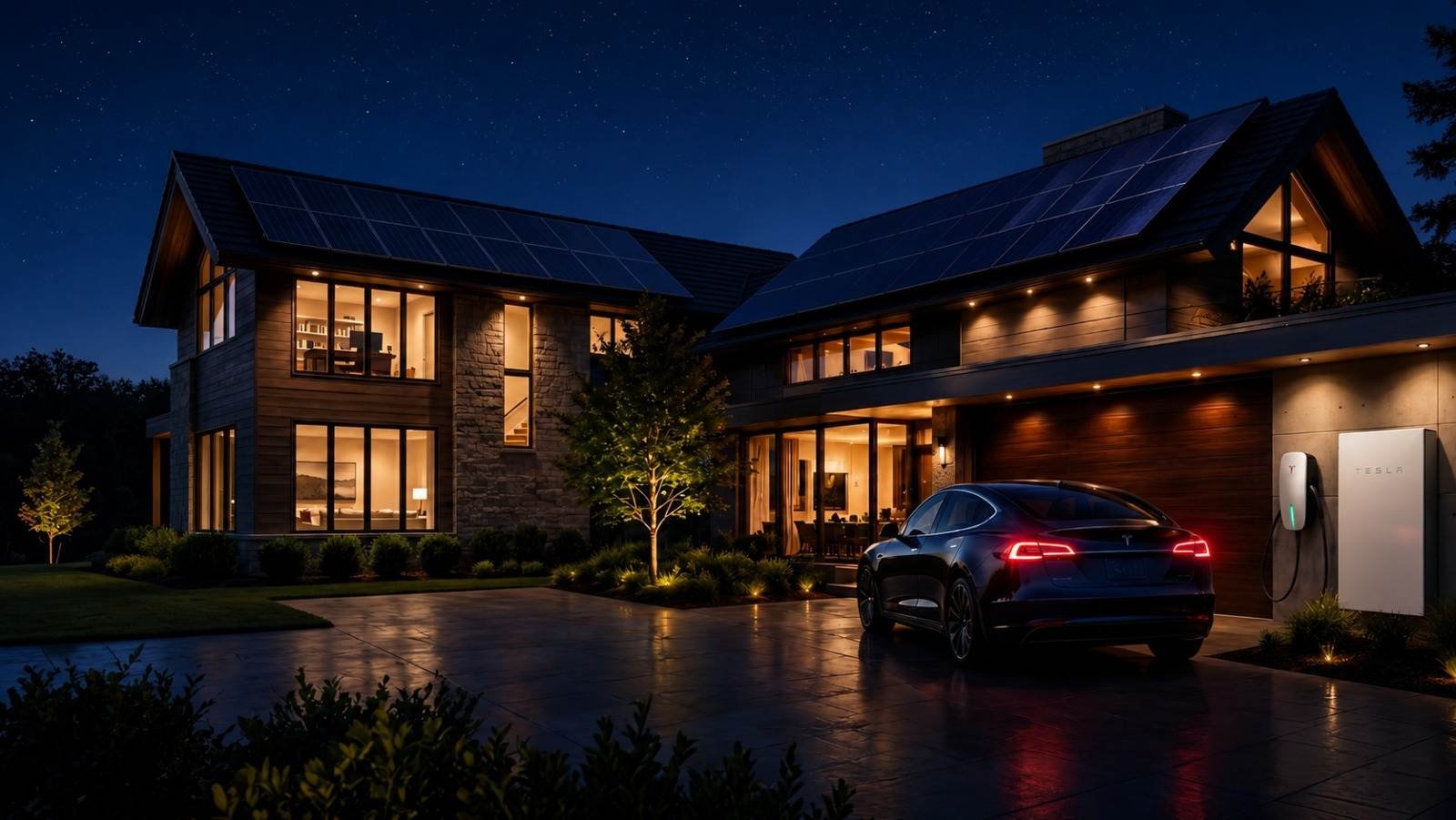
Condo & Apartment EV Charging
Quick answer
EV charging for condos, apartments, and HOAs, from a single assigned-space charger to shared, billed charging for the whole garage. We handle HOA approvals, metering, and load management.Charging in multifamily buildings is very doable: right-to-charge laws in many states support it, and load-managed systems let a garage add many chargers without a service upgrade. We work with owners, HOAs, and property managers.
About Condo & Apartment EV Charging
Living in a condo or apartment doesn't mean giving up home charging. Between right-to-charge laws (now in California, Colorado, Florida, New York, and a growing list of states), networked billing, and load-managed hardware, multifamily charging has become a solved problem, when it's engineered correctly.
We work three ways: with individual owners installing in a deeded space (including the HOA paperwork), with HOAs adding shared stations, and with property managers electrifying whole garages. Metering and billing ensure each driver pays for their own energy.
For individual owners
Most states' right-to-charge laws prevent an HOA from unreasonably refusing a charger in your deeded or assigned space. We prepare the application package, insurance certificate, licensed-electrician plan, metering approach, that gets approvals through smoothly.
For HOAs and property managers
Load management is the key to garage-scale charging: rather than one panel-crushing circuit per charger, a managed system shares building capacity across many stations, often avoiding a costly service upgrade entirely. Networked chargers bill each session to the driver, and utility multifamily rebates frequently cover a meaningful share of the project.
What multifamily charging costs, and who pays
The numbers below are typical starting points for multifamily projects; the exact figure turns on how far the parking is from the electrical service and how many stations share each circuit. Because networked chargers bill each driver for their own energy, the building's ongoing cost is largely limited to the shared infrastructure, and utility rebates often offset a large part of that.
| Item | Typical figure | Who usually pays |
|---|---|---|
| Networked Level 2 port (installed) | $850–$4,500 each | Owner, HOA, or split, depending on the model |
| Load management system | Shared across all ports | Building / HOA (one-time) |
| Ongoing energy per session | Metered at cost | The driver who charged |
| Utility multifamily rebate | often covers a large share | Reduces the building's net cost |
Incentives for multifamily after 30C
The federal 30C credit ended for property placed in service after June 30, 2026, so utility and state multifamily programs are the route now, and many are generous precisely because apartment and condo residents have the hardest time charging. Programs frequently fund make-ready wiring and a share of the hardware, and some prioritize affordable-housing or disadvantaged-community sites. We identify what your building qualifies for, handle the applications where possible, and build the expected rebate into the estimate.
How it works
Free assessment
A licensed electrician evaluates your panel, capacity, and site at no cost.
Transparent quote
You get a clear, written, fixed price, no surprises, no pressure.
Professional install
Tesla-certified electricians complete the work to code, permit pulled.
Inspection & warranty
We schedule inspection and back the work with our workmanship guarantee.
What's included
- Licensed, insured & Tesla-certified electrician
- Free in-home assessment and load calculation
- Permit pulled and inspection scheduled
- All materials and code-compliant wiring
- Clean, professional install with cleanup
- Workmanship guarantee of up to 10 years
Get a free condo & apartment ev charging estimate
Book your free in-home estimate
Pick a time that works for you and we will match you with a licensed, Tesla-certified electrician in your area. No obligation, transparent fixed pricing.
Book Your Free In-Home Consultation →Frequently asked questions
In most cases yes, many states have right-to-charge laws. We help with the HOA application, insurance certificate, and a metered install billed to you.
Networked chargers meter each session and bill the driver directly, the building doesn't subsidize anyone's charging.
Often not. Load-management systems share available capacity across chargers, adding stations within the building's existing service.
In right-to-charge states, a blanket 'no' usually isn't legal; HOAs may impose reasonable conditions but not unreasonably refuse. We help you resubmit with the documentation that addresses their concerns.
You do, and only yours. A dedicated meter or a networked charger tracks your sessions, so the building never subsidizes your charging.
More ev chargers services
EV Charger Installation
Professional Level 2 EV charger installation typically costs $400–$1,500 installed and takes 2–4 hours. Charge Home Solutions is a Tesla-certified network of 4,000+ licensed electricians offering free in-home estimates nationwide.
Learn more →Tesla Wall Connector Installation
Tesla Wall Connector installation runs $400–$1,200 installed. As a Tesla-certified installer, Charge Home Solutions wires the 48-amp connector for up to 44 miles of range per hour and registers your warranty.
Learn more →Tesla Universal Wall Connector Installation
The Tesla Universal Wall Connector charges both Tesla and J1772 EVs at up to 48 amps. Installed cost is typically $500–$1,300 with a Tesla-certified electrician.
Learn more →Commercial EV Charging
Commercial EV charging stations for workplaces, multifamily, retail, and fleets. Charge Home Solutions handles site assessment, load management, networking, and rebate paperwork.
Learn more →