


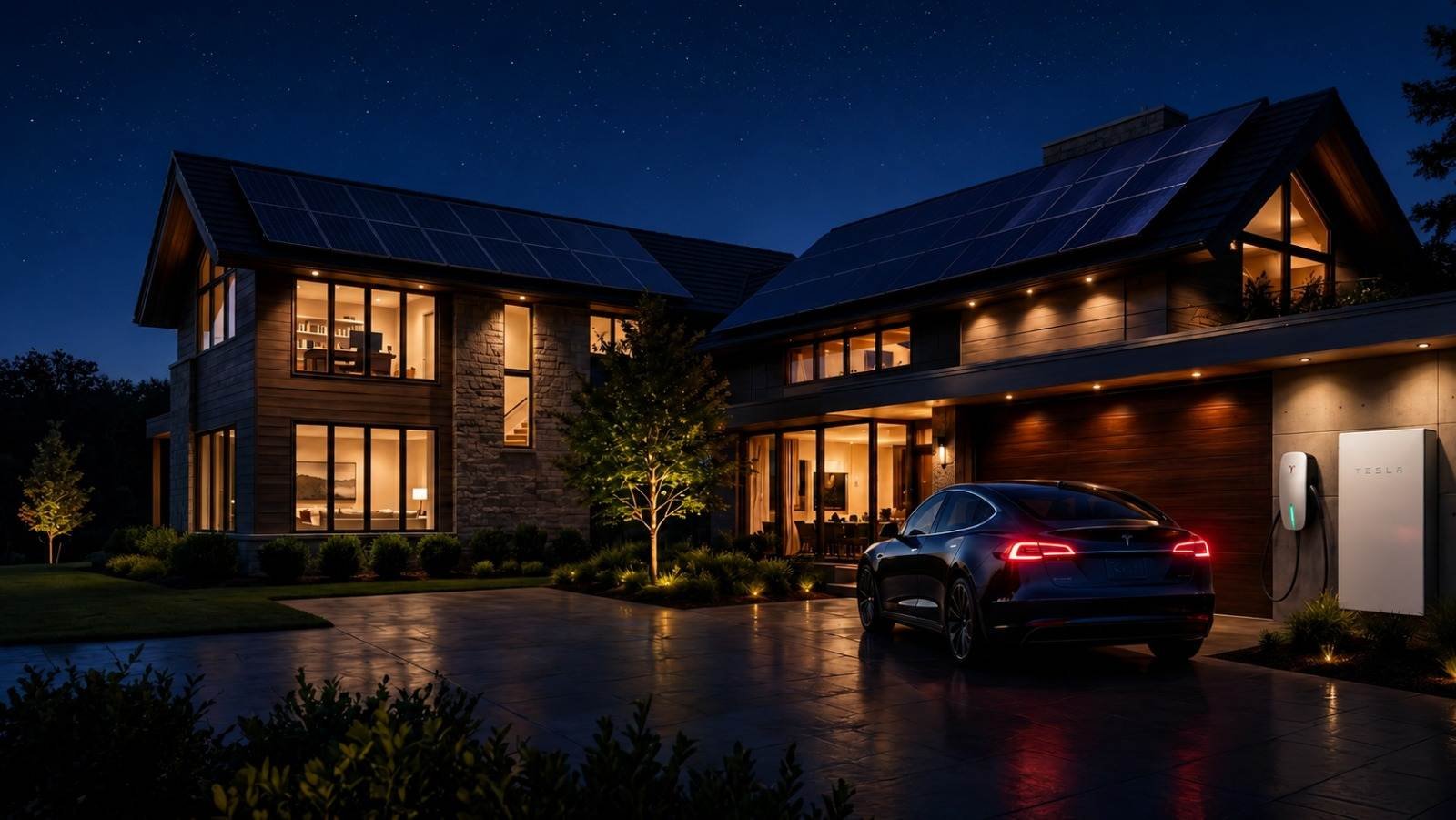
Commercial Tesla EV Charger Installation in Minneapolis, MN
What a commercial EV charging project actually involves
Business projects differ from a single home install in scale, power and coordination. A typical project moves through these stages:
Skipping the design stage is the most common reason a project goes over budget. Treating it as a simple hang-and-wire job often means discovering a power shortfall after the quote is signed.
- Site assessment: An electrician reviews your main service, panel capacity, available breaker space, parking layout and the distance from the electrical room to the charging spots.
- Load calculation and design: The team decides how many chargers the site can support, whether load management is needed, and how to leave room for expansion.
- Utility coordination: Larger installs may need a conversation with the local utility about service capacity.
- Permitting: Electrical permits, and sometimes building or zoning review, are submitted and tracked.
- Installation: Trenching or conduit runs, panel or subpanel work, mounting, and wiring.
- Inspection and commissioning: The local inspector signs off, then the chargers are configured, networked and tested.
Matching the setup to your type of site
Employees usually park for hours, so lower-power, networked chargers shared across many stalls can serve more people than a few fast units. Scheduling and access control matter more than raw speed.
Fleets need vehicles ready at a set time. That points to dedicated ports, overnight charging schedules and enough capacity that vehicles are not waiting in line. A system that works on paper but has too few ports leads to vehicle downtime, which costs more than the hardware.
Customers stay for shorter, less predictable periods. Visibility, easy payment or access, and sensible pricing policies are part of the plan, along with how many stalls you can reasonably dedicate.
Residents each need reliable overnight access, and billing needs to be fair. Panel capacity and metering often drive the design here, and expansion as more residents buy EVs should be planned from day one.
For Tesla equipment specifically, you can find the full step-by-step process in our commercial Tesla installation manual at chargehomesolutions.com/commercial-tesla-wall-connector-installation-manual/.
Power capacity, load management and demand charges
Many commercial electric rates include charges tied to your highest power draw, not only total energy used. If every charger runs at full output at the same moment, you can overload a panel or push your peak demand up and raise your bill.
Good design addresses this directly:
Your utility rate schedule matters here, so we look at it during the estimate rather than guessing.
- Load management: Networked chargers can share a fixed amount of available power so the site never exceeds its limit, which can avoid or reduce expensive service upgrades.
- Scheduling: Fleet vehicles that sit overnight can charge off-peak and staggered, rather than all at once at shift end.
- Right-sized ports: More ports at moderate power often serve a site better than a few at maximum power.
- Room to grow: Conduit, panel space and layout planned for later phases cost much less than retrofitting.
Minneapolis permitting and inspection flow
Permit requirements vary by jurisdiction and by project scope, so the details for your address should be confirmed during the estimate. In general, the flow looks like this:
1. The licensed electrical contractor prepares drawings or load information and applies for an electrical permit with the city. 2. Larger or outdoor projects may also trigger building, zoning or site review, for example for new pedestals, signage, accessibility of stalls or changes to parking layout. 3. Work proceeds once the permit is issued. 4. An inspector reviews the installation, and any corrections are handled before final approval. 5. The chargers are energized and commissioned after sign-off.
Permit delays are a real source of schedule slips. The best defense is a complete, accurate application the first time, which is why the electrician who designs the system should also handle the permit paperwork. A licensed electrician handles permits and inspections as part of the job, so you are not left chasing them.
Utility coordination in the Twin Cities
Minneapolis is served by Xcel Energy. For larger charging installations, service capacity or a transformer upgrade may be needed, and these can add months to a timeline. They also tend to show up late if nobody asks the question early.
The practical advice is to start the utility conversation during design, before you commit to a charger count or an opening date. Your electrician can pull together the load information the utility typically asks for. Utility timelines are controlled by the utility, so we tell you what is known and what is still pending rather than promising a date we cannot control.
What affects cost in Minneapolis
We do not quote prices without seeing a site, and any number published without a site visit would be a guess. These are the factors that move a commercial quote:
An all-in estimate that lists utility work, permits and electrical work separately helps avoid the budget gap that frustrates many businesses.
- Number of chargers and their power level
- Available capacity at the main service and panel, and whether upgrades are needed
- Distance from the electrical room to the stalls, and whether the run is indoor, surface or trenched
- Trenching, boring, concrete and restoration in a parking lot
- Utility requirements and any service upgrade
- Permit and inspection scope
- Networking, access control, signage and mounting hardware
- Whether you build in future expansion now
Rebates and incentives
The federal 30C EV-charger tax credit has expired, so we do not count on it in any project plan. State and utility programs exist at various times, and Minnesota utilities and state agencies have offered EV-related programs, but eligibility, funding levels and deadlines change. Check current availability with your utility and state sources before you budget, and ask us to flag anything that may apply to your site. Never build a business case around an incentive that you have not confirmed is open.
Minnesota winters and your charger plan
Cold weather affects both construction and daily use. Frozen ground can complicate trenching and concrete work, so scheduling outdoor work around the season helps. Equipment for outdoor lots needs the right enclosure ratings, and cable management helps keep cords out of snow and away from plows. Stall placement should consider snow storage and plowing patterns. Cold temperatures can also affect how long vehicles take to charge, so fleets should plan some buffer in their schedules.
Why businesses choose Charge Home Solutions
Book a free in-home estimate at chargehomesolutions.com/request-service or call 888-995-6044.
- Tesla-certified network of installers for Tesla charging equipment
- Licensed and insured electricians, so the work is done properly and your property is protected
- Free on-site estimate with a clear, itemized scope
- Planning for load, scaling and scheduling, not just mounting hardware
- Nationwide coverage and fast matching, which helps if you manage several locations
Frequently asked questions
It depends on scope. A small workplace install with ample panel capacity moves much faster than a fleet depot that needs trenching, a service upgrade or a utility transformer change. The slowest steps are usually permits and utility work, which are outside the installer's control. We give a realistic schedule after the on-site assessment and flag the items that could add time.
It depends on the total power you plan to add and what your site already has. Xcel Energy serves Minneapolis, and larger projects may need a capacity review. Because upgrades can add months, start the conversation during design, before you lock in the charger count or a launch date. Load management can sometimes reduce what you need to ask for.
Commercial EV charging generally needs an electrical permit and inspection, and larger or outdoor projects may involve building or zoning review. Requirements vary by project, so we confirm them for your address. The licensed electrician on the job prepares and submits the permit paperwork and schedules inspections.
Start with an on-site estimate. We assess your panel, service, parking layout and wiring routes, then itemize electrical work, permits and any known utility requirements. Utility costs that are not yet determined are identified as open items so the budget is not a surprise later.
The number depends on how many vehicles you have, daily mileage, how long they are parked and when they need to be ready. Too few ports causes vehicle downtime, so we plan around your operating schedule. Scaling is much easier if conduit, panel space and load management are designed for expansion at the start.
Networked chargers can share a fixed power limit and stagger charging times, so all vehicles do not draw full power at once. Combined with scheduling around your utility rate, this helps protect the panel and keep peak demand under control. We review your rate structure during the estimate.
Ask for the electrical contractor license number and verify it with the Minnesota Department of Labor and Industry. Ask for proof of liability insurance, examples of commercial EV work and who pulls permits. Charge Home Solutions works with licensed, insured, Tesla-certified electricians.
The federal 30C EV-charger credit has expired. State and utility programs may be available at certain times, but terms change, so confirm what is currently open with your utility before relying on it.
Related guides
EV Charger Installer in Minneapolis, MN: Permits, Costs and What to Look For
If you are asking "who installs EV chargers near me" in Minneapolis, the short answer is a licensed, insured electrician who handles the permit, the wiring, the charger and the inspection. Charge Home
Read article →EV Charger Installer in Detroit, MI: Licensed, Tesla-Certified, Upfront Pricing
If you are searching for who installs EV chargers near you in Detroit, the short answer is a licensed, insured electrician who knows your panel, your permit office, and the charger you are buying. Cha
Read article →How to Prepare Your Fresno Home and Garage for a Tesla and the EV Future
The best way to get a Fresno home ready for a Tesla is to have a licensed, Tesla-certified electrician evaluate your electrical panel, pick a charging location in or near the garage, and plan a dedica
Read article →Commercial Tesla EV Charger Installation in Cleveland, OH
Commercial Tesla EV charger installation in Cleveland starts with a free on-site assessment, because the all-in price depends on your electrical service, the distance from the panel to the parking spo
Read article →EV Charger Installer in Cleveland, OH: What to Know Before You Hire
If you are searching for "who installs EV chargers near me" in Cleveland, the short answer is a licensed, insured electrician who has experience with your specific charger, your home's electrical pane
Read article →Commercial Tesla EV Charger Installation in Columbus, OH
Commercial Tesla EV charger installation in Columbus, OH starts with a site assessment: how much electrical capacity your building has, how many vehicles will charge at once, and where the chargers ca
Read article →