


Electrical Upgrades That Add Home Value
When homeowners think about improving their property, kitchens and bathrooms usually come to mind first. But the electrical system quietly shapes how safe, modern, and move-in ready a home feels to buyers. Certain electrical upgrades can strengthen your home's appeal and support its value, especially as buyers increasingly expect homes to handle electric vehicles, backup power, and modern electronics. Keep in mind that any effect on home value varies by market, and no upgrade guarantees a specific return.
A 200-amp electrical panel
Many older homes still run on 100-amp service, which was fine decades ago but strains under today's demands. An EV charger, heat pump, induction range, hot tub, and a house full of electronics can quickly outgrow an older panel. Upgrading to a 200-amp panel gives a home the headroom buyers expect and removes a common inspection concern.
A modern panel also signals that the home's electrical system is current rather than a future expense. Buyers who spot an old, undersized, or discontinued panel often worry about the cost and hassle of replacing it. A 200-amp panel upgrade generally runs about $1,800 to $4,500, and it is one of the more meaningful electrical improvements you can make. It also brings grounding and safety up to current code as part of the work.
An EV charger or EV-ready wiring
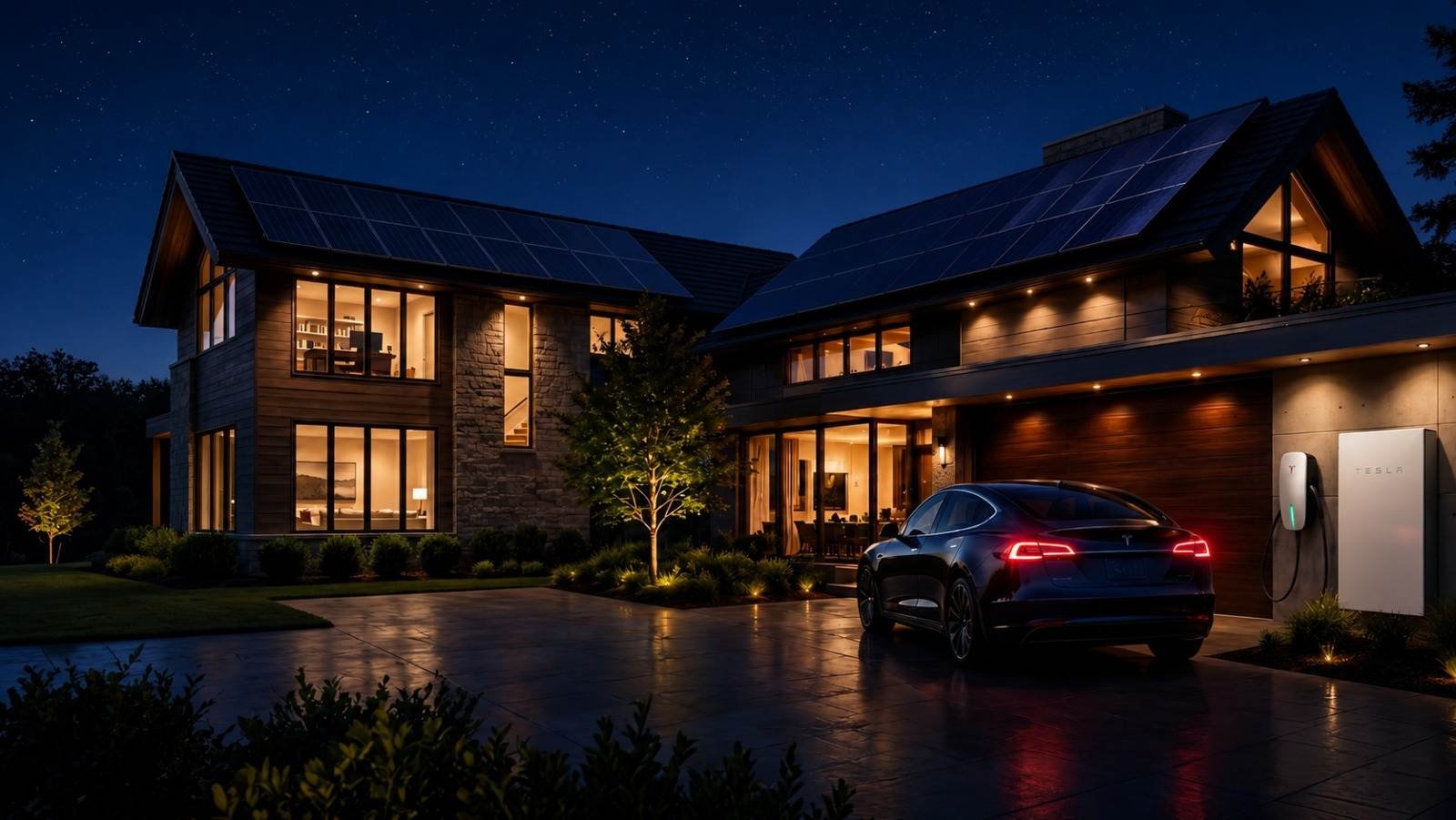
Electric vehicles are now mainstream, and a growing share of buyers either own one or plan to. A home with a Level 2 EV charger already installed, or at least the wiring and a dedicated circuit ready for one, removes a hurdle those buyers would otherwise have to solve themselves. "EV-ready" is quickly becoming a feature buyers look for, much like a home already having central air.
You have two options. A full EV charger installation, roughly $400 to $1,800 depending on your setup, gives buyers a ready-to-use charger. Alternatively, running EV-ready wiring, essentially a dedicated 240-volt circuit to the garage, is a lower-cost way to make the home attractive to EV owners without committing to a specific charger. Either approach tells buyers the home is ready for the way people drive now.
A home battery and backup power
Backup power has moved from a luxury to a priority for many buyers, especially in areas with storms, wildfires, or an unreliable grid. A home battery such as a Tesla Powerwall keeps essential circuits running during an outage and, paired with solar, can store energy for later use. Powerwall 3 equipment starts around $9,200 and up before installation, so it is a significant investment, but it addresses a real and growing concern.
For buyers who have sat through long outages, a home that already has backup power is genuinely appealing. It offers comfort, safety, and peace of mind that a generator on a shopping list cannot match. As more homes add batteries and solar, backup capability increasingly reads as a modern, forward-looking feature.
Modern GFCI and AFCI safety devices
Not every valuable upgrade is large or expensive. Ground-fault circuit interrupter (GFCI) protection in kitchens, bathrooms, garages, and outdoor areas guards against shock, and arc-fault circuit interrupter (AFCI) protection helps prevent fires from damaged wiring. Modern code requires these in many locations, and home inspectors routinely flag their absence.
Bringing these protections up to date is relatively affordable and directly addresses safety, which matters to buyers and inspectors alike. A home that passes its electrical inspection cleanly is one less thing for a buyer to negotiate over.
Updated wiring
If your home still has aging or outdated wiring, updating it removes one of the biggest red flags a buyer or inspector can find. Old wiring types, deteriorated insulation, ungrounded circuits, or a tangle of past DIY work can scare off buyers and complicate financing or insurance. Modern, properly grounded wiring is safer and reassures buyers that they are not inheriting a hidden problem.
Rewiring is a larger project, but for older homes it can be one of the most impactful improvements for both safety and marketability. Even partial updates, such as replacing known problem circuits, help.
Whole-house surge protection
Homes today are full of expensive electronics, appliances with circuit boards, EV chargers, and battery systems, all vulnerable to power surges. A whole-house surge protector installed at the panel guards this equipment against spikes from the grid or lightning. It is a modest addition that protects a lot of value, and it signals a thoughtfully modernized electrical system.
Smart electrical panels
Smart panels are a newer option that let homeowners monitor and control energy use circuit by circuit from a phone, manage backup power, and prioritize loads automatically. For buyers interested in energy efficiency, EVs, and home batteries, a smart panel is an attractive, future-oriented feature. It is an investment, but it fits naturally with EV charging and battery storage and appeals to the same forward-looking buyers.
Putting it together
The upgrades that resonate most with today's buyers share a theme: they make a home safe, modern, and ready for electric vehicles and backup power. A 200-amp panel, EV-ready wiring, a home battery, up-to-date safety devices, sound wiring, and surge protection all reduce a buyer's worries and position your home as current rather than dated. Home-value effects vary by market and are never guaranteed, so choose upgrades that also serve your own needs while you live there.
Charge Home Solutions is Tesla Energy Certified, SPAN Certified, licensed, and insured, and we handle permits and inspections for panel upgrades, EV chargers, and home batteries. To plan upgrades that fit your home, call 888-995-6044.
Frequently asked questions
It varies by market, but a 200-amp panel upgrade and EV-ready wiring are among the most broadly appealing because they address capacity and future needs that many buyers share. The best choice depends on your home, your area, and what local buyers expect. No upgrade guarantees a specific return.
Both help. A full charger install gives buyers a ready-to-use feature, while EV-ready wiring, a dedicated 240-volt circuit to the garage, is a lower-cost way to make the home attractive to EV owners. Either signals the home is ready for electric vehicles.
A home battery can appeal strongly to buyers who value backup power, especially in outage-prone areas, though the effect on value varies by market and is not guaranteed. It offers safety and peace of mind during outages, and it pairs well with solar and modern electrical systems.
Yes, most significant electrical work such as panel upgrades, EV chargers, and home batteries requires permits and inspection. Permitted, inspected work reassures buyers and protects you at resale, since unpermitted work can cause financing, insurance, and negotiation problems. CHS handles permits and inspections as part of the job.
Related guides
Commercial EV Charging for Your Business: What It Costs and How It Works
Commercial EV charging is a system of networked chargers, electrical upgrades and software that lets employees, customers, tenants or fleet vehicles charge on your property. The total cost depends mos
Read article →The Real Cost of Charging an EV at Home vs Public Charging
For most drivers, charging at home costs noticeably less per mile than charging at public stations, especially public DC fast chargers. Home charging is billed at your regular residential electricity
Read article →NEMA 14-50 Outlet Installation Cost and What Affects the Price
The cost of installing a NEMA 14-50 outlet depends mostly on three things: how much spare capacity your electrical panel has, how far the outlet sits from that panel, and what the wiring route looks l
Read article →Cost to Install a Home EV Charger: What to Budget in 2026
The cost to install a home EV charger depends on four things: the charger itself, the distance from your electrical panel to the charging spot, whether your panel has spare capacity, and local permit
Read article →Workplace EV Charging: Costs, Options, and Payback
Workplace EV charging usually means installing Level 2 chargers in your parking area so employees (and sometimes visitors) can charge during the workday. Total cost depends mostly on how many ports yo
Read article →How Much Does It Cost to Move an Electrical Panel?
Moving an electrical panel is a custom job, so there is no single flat price. The cost depends mainly on how far the panel is moving, how much wiring has to be extended or replaced, whether the panel
Read article →