


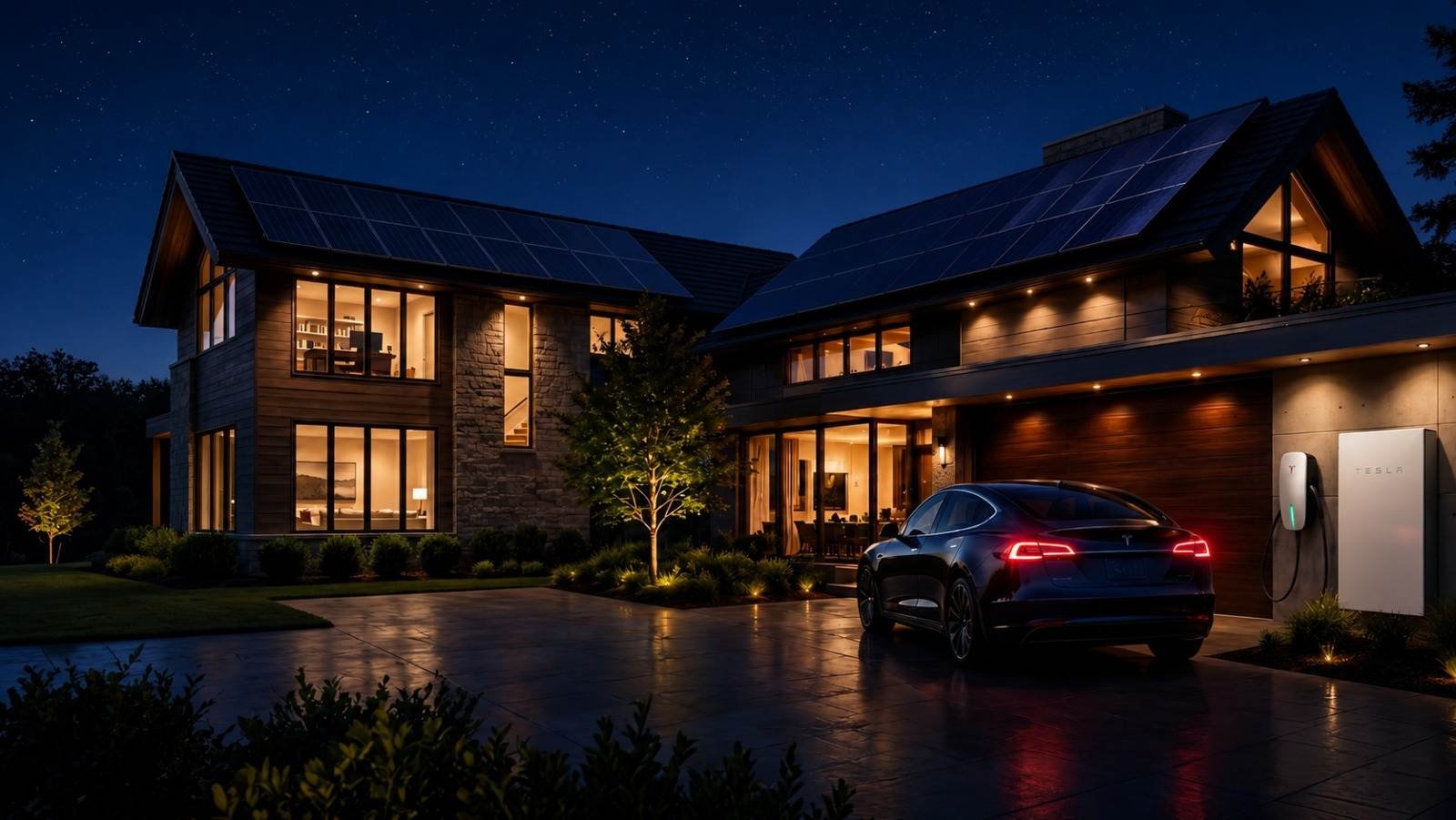
Planning EV Charging in a New Home Build
If you are building a new home, you have a rare and valuable opportunity: wiring for EV charging while the walls are still open. Adding a 240-volt charging circuit during construction costs a fraction of what it takes to retrofit one into a finished house. The wire path is short and accessible, there is no drywall to cut and patch, and the electrician is already on site. Planning for EV charging now, even if you do not yet own an electric vehicle, is one of the smartest future-proofing decisions you can make.
Why during construction is the cheapest time
Retrofitting a charging circuit into an existing home often means fishing wire through closed walls, cutting access holes, and sometimes trenching under a driveway or slab. During new construction, none of that applies. The framing is exposed, the electrician can run a clean, direct path from the panel to the garage, and the labor is bundled into work already happening. The difference in cost can be substantial, which is why roughing-in a circuit now almost always pays off later.
Even if an EV is not in your immediate plans, the incremental cost of adding a circuit and conduit today is small compared to opening walls in five years. Think of it the way you would a gas line or an extra hose bib: cheap insurance for a near-certain future need.
Size the electrical panel with the future in mind
The single most important decision is the size of your main electrical panel. Many older homes were built with 100-amp service, which can struggle to support a Level 2 charger alongside modern loads like a heat pump, electric range, or hot tub. For a new build, discuss a 200-amp panel with your builder and electrician. It provides comfortable headroom for EV charging today and for the electric appliances that homes increasingly rely on.
If you anticipate two electric vehicles, solar, or a home battery, mention that early. Your electrician may recommend extra breaker spaces, a larger panel, or a subpanel in the garage. These are inexpensive additions during construction and expensive ones afterward. Sizing the service correctly from the start avoids a costly panel upgrade down the road.
Run conduit and rough-in a 240V circuit now
The core of EV-ready wiring is a dedicated 240-volt circuit running from the panel to your garage. A common approach is a 240V circuit on a 50- or 60-amp breaker, which supports most Level 2 chargers at full speed. Ask your electrician to:
Placement matters. Think about which side of the vehicle its charge port is on, where you will actually park, and whether you might one day want to charge two cars. Getting the location right now saves you from a poorly placed charger later.
- Run a dedicated circuit to the wall where you plan to park and charge.
- Install either a hardwired connection point or a suitable 240V outlet, such as a NEMA 14-50, at the right height and location.
- Consider empty conduit (a "future path") to a second parking spot so a second charger can be added later by simply pulling wire, no wall work required.
Future-proof for two EVs, a battery, and solar
Homes are becoming more electric every year. If there is any chance you will add a second EV, rooftop solar, or a home battery like a Tesla Powerwall, plan the electrical infrastructure to accommodate them. That might mean a larger panel, a dedicated location and circuit for battery equipment, or conduit runs to the roof and to a second garage bay.
Roughing-in for these systems during construction is dramatically cheaper than adding them later. Even if you never install solar or a second charger, the cost of leaving a path open is minor. The cost of not doing it can be thousands in future retrofit work.
Rough-in even before you buy an EV
You do not need to own an electric vehicle to wire for one. Many homeowners install the circuit and outlet during construction and add the charger itself later. This "EV-ready" approach means that when your first EV arrives, installation is quick, simple, and inexpensive because the hard part is already done. It also tends to add appeal for future buyers, as EV-ready garages are an increasingly sought-after feature.
Know the code requirements in your area
Building codes are catching up with electric vehicles. A growing number of jurisdictions now require new homes to be "EV-ready" or "EV-capable," meaning the panel capacity and circuit path must be in place even if the charger is not installed. Requirements vary widely by state and city and change over time, so ask your builder and electrician what applies to your project. A licensed electrician will know the local code and pull the proper permits, which protects you at resale and ensures the work passes inspection.
Work with your builder and a licensed electrician
The best results come from raising EV charging early in the planning process, before electrical rough-in begins. Builders often work from standard electrical plans that may not include EV provisions unless you ask. Bring it up during your electrical walkthrough and be specific about your goals: one charger or two, panel size, future solar or battery, and preferred charger location.
Because builder electrical packages vary in quality and scope, many homeowners bring in a specialist to design the EV and energy portion of the system. Charge Home Solutions is Tesla Energy Certified and SPAN Certified, licensed and insured, and works with EV charging, Powerwall batteries, and panel upgrades. We can coordinate with your builder to size the panel, plan conduit runs, and rough-in your circuit correctly the first time, and we handle permits and inspections. If you are building and want your home EV-ready, call us at 888-995-6044 before the walls close.
The bottom line
Wiring for EV charging during construction is one of the lowest-cost, highest-value decisions you can make in a new build. Size the panel with headroom, run a dedicated 240V circuit and conduit to the garage, plan for a possible second EV, solar, or battery, and confirm what your local code requires. Do it now, while the walls are open, and your home will be ready for whatever you drive next.
Frequently asked questions
You do not have to install the charger itself, but you should rough-in the 240V circuit and outlet. This "EV-ready" approach makes adding a charger later fast and cheap, since the wiring is already in place, and it appeals to future buyers.
For most new builds, a 200-amp panel provides comfortable headroom for a Level 2 charger plus modern electric appliances. If you plan two EVs, solar, or a battery, discuss extra capacity or a subpanel with your electrician early.
In a growing number of states and cities, yes, new homes must be EV-ready or EV-capable, but requirements vary widely and change over time. Ask your builder and a licensed electrician what your local code requires for your project.
EV charger installation generally ranges from about $400 to $1,800 depending on the circuit run, panel work, and charger, and doing it during construction is typically at the lower end because the walls are open. Get a specific quote before finalizing plans.
Related guides
Level 1 vs Level 2 EV Charging: Which Do You Need?
The real-world difference between Level 1 and Level 2 home charging speeds and costs.
Read article →The Best Home EV Chargers in 2026
Our pick of the best Level 2 home EV chargers compared on speed, features, and value.
Read article →EV Charger Installation Laws by State: What Homeowners Must Know
Permits, codes, right-to-charge laws, and HOA rules for installing a home EV charger, and how they vary by state.
Read article →NEMA 14-50 vs Hardwired EV Charger: Which Is Better?
Should you install a NEMA 14-50 outlet or hardwire your Level 2 EV charger? The real differences in charging speed, cost, safety, and code.
Read article →How Long Does EV Charger Installation Take?
Most home EV charger installs take 2 to 4 hours, but the full timeline from booking to a working charger depends on your panel and the permit. Here's what to expect.
Read article →Level 1 vs Level 2 EV Charging: Which Do You Actually Need?
Level 1 charging uses a standard 120-volt outlet and adds roughly 3 to 5 miles of range per hour. Level 2 uses a 240-volt circuit and adds about 20 to 40 miles per hour, many times faster. Most EV owners...
Read article →