


Heat Pump Electrical Requirements: Panel, Circuits & Cost
A heat pump is one of the most efficient ways to heat and cool a home, but it is also an electric appliance, and a substantial one. Before the equipment goes in, the electrical side needs to be right: the correct circuits, enough panel capacity, and proper permits. Getting this wrong leads to nuisance tripping, overloaded panels, or a failed inspection. This guide explains what a heat pump asks of your electrical system and why a load calculation always comes first.
The circuits a heat pump needs
Most whole-home heat pump systems require a dedicated 240-volt circuit. In a typical split system, that means:
Mini-split systems vary. A single-zone unit may need just one 240-volt circuit, while multi-zone setups can need more. The exact amperage, wire size, and breaker type come straight from the equipment's specification sheet, which is why installers match the electrical work to the specific model being installed rather than using a one-size-fits-all approach.
- The outdoor unit (the heat pump / condenser) gets its own dedicated 240-volt circuit, sized to the manufacturer's specifications, often in the range of 15 to 60 amps depending on the model.
- The indoor air handler frequently needs its own circuit as well, especially if it includes electric backup or auxiliary heat strips, which can draw a large additional load.
How much load a heat pump adds
The load a heat pump adds depends heavily on the system size and, critically, on whether it includes electric resistance backup heat. The heat pump itself is efficient and draws a moderate amount. But auxiliary or emergency heat strips, which kick in during very cold weather, can draw a large load, sometimes as much as or more than the heat pump itself.
This backup heat is often what pushes a home's total demand toward the limit of its electrical service. A heat pump without significant electric backup is much easier for a modest panel to absorb than one with a full set of heat strips. Your installer should know which configuration you are getting, because it changes the electrical picture significantly.
Does your panel have room?
Two separate questions determine whether your existing panel can handle a heat pump:
A 200-amp panel with open slots often has the room. A 100-amp panel, or one already crowded with electric range, water heater, dryer, and air conditioning loads, may not. When capacity falls short, a 200-amp service upgrade is a common solution, typically ranging from $1,800 to $4,500 before your final quote, depending on your home and utility requirements.
- Physical space: Are there enough open slots for the new double-pole breaker or breakers the system requires?
- Electrical capacity: Does your service (commonly 100A or 200A) have enough headroom once the heat pump's demand is added to everything else your home already runs?
Living alongside EV charging and batteries
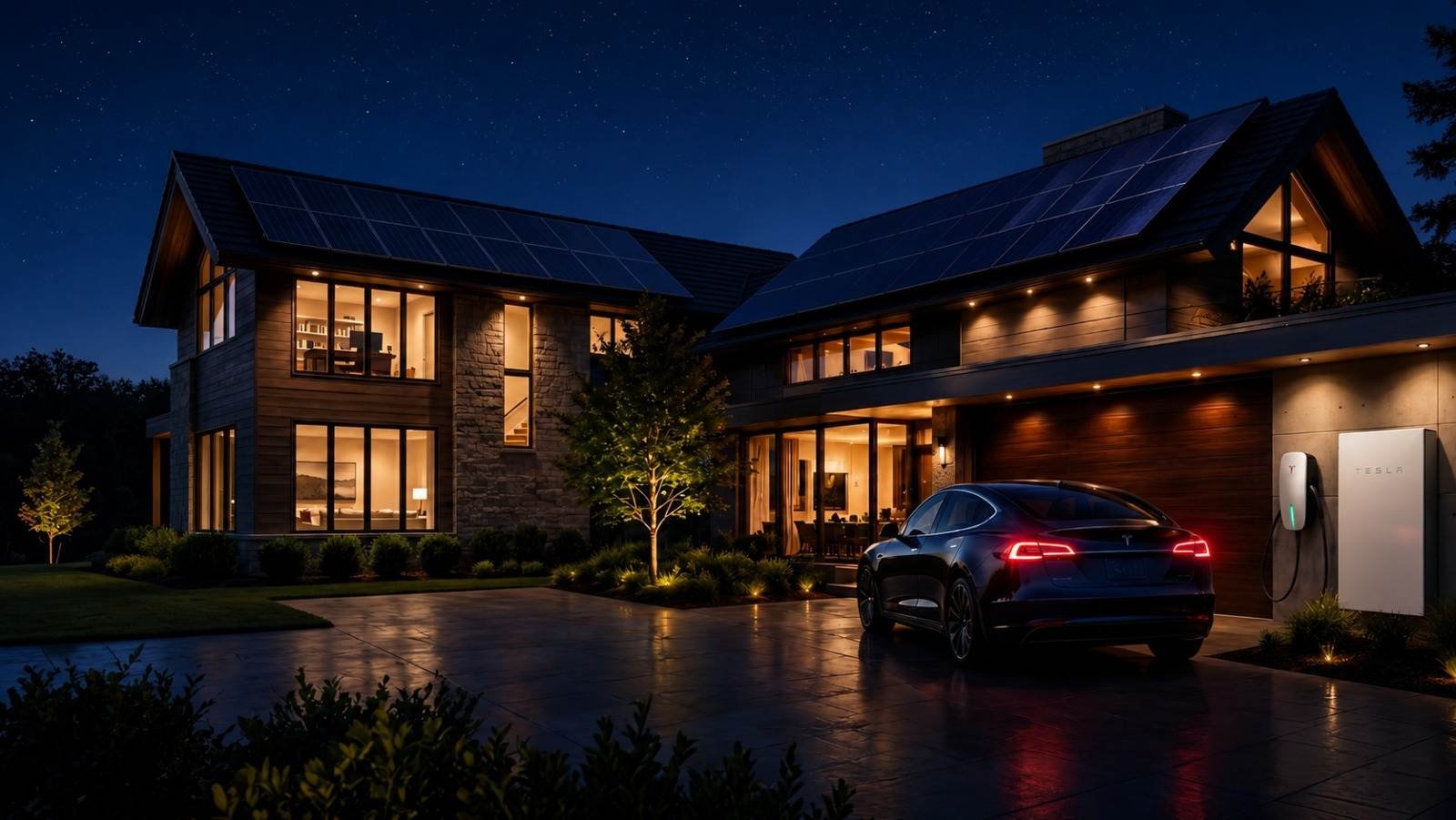
Many homeowners are electrifying several things at once: a heat pump, an EV charger, and sometimes a home battery. Each is a meaningful load, and together they can quickly exceed what a 100-amp or even a modest 200-amp service was designed to carry. The good news is that these loads rarely all run at full tilt in the same moment, which opens up smarter options than simply maxing out breaker space.
The important point is that these systems should be planned together, not one at a time in isolation. Adding a heat pump today without accounting for the EV charger you want next year can leave you paying for a second round of electrical work. A single load calculation that considers all your planned loads produces a cleaner, more cost-effective design.
Load management as an alternative to a panel upgrade
If your service is near its limit, a full panel upgrade is not the only path. Load-management (or load-sharing) devices monitor your home's electrical use in real time and automatically pause or throttle certain high-draw circuits when demand is high. For example, a system might briefly reduce EV charging while the heat pump's backup heat is running, then resume once the demand drops.
These devices can let you add a heat pump or EV charger without a service upgrade, provided the numbers work out. They are not a fix for every situation, but for many homes they are a lower-cost, code-compliant way to add loads safely. An electrician can tell you whether load management or a panel upgrade makes more sense for your specific demand profile.
Permits, inspection, and why the load calculation comes first
Heat pump electrical work is not a place to cut corners. A dedicated 240-volt circuit, properly sized wire and breaker, and a safe panel connection all need to meet code and be inspected. Reputable installers pull permits and schedule inspection as a standard part of the job. Skipping permits can create safety hazards, insurance problems, and complications when you sell the home.
Everything starts with a load calculation. This is a standardized method of adding up your home's electrical demand, including the new heat pump, to confirm your service can carry it. It is what separates a safe, code-compliant installation from a guess that trips breakers or overloads your panel. No responsible electrician sizes a heat pump circuit or recommends a panel upgrade without doing one.
A note on costs and rebates
Heat pump equipment and installation costs vary widely by system type, size, and home, so it is best to get a specific quote rather than rely on a generic figure. On the electrical side, the main variables are whether you need new circuits only or a full panel upgrade. Some utilities offer rebates for heat pumps or home electrification, and these programs change frequently, so check with your local utility to see what is currently available in your area.
Charge Home Solutions is a licensed and insured electrical company that handles heat pump circuits, load calculations, panel upgrades, and load-management systems, alongside EV chargers and batteries, all with proper permits and inspection. If you are planning a heat pump and want to know what your electrical system needs, call us at 888-995-6044 to start with a proper load calculation.
Frequently asked questions
Not always. Whether your existing service is enough depends on a load calculation of your home's total demand, including the heat pump. Many homes with 200-amp service have room, while a 100-amp panel or a heavily loaded home may need an upgrade or a load-management device.
Most heat pumps need a dedicated 240-volt circuit, often between 15 and 60 amps depending on the model, and the indoor air handler may need its own circuit too, especially with electric backup heat. The exact size comes from the manufacturer's specification sheet.
Sometimes. If your service is near capacity, a load-management device can let both loads share capacity safely instead of requiring a panel upgrade. A load calculation determines whether that works for your home or whether an upgrade is the better option.
Some utilities and state programs offer heat pump or electrification rebates, and these change often. Check directly with your local utility for current offerings. Note that the federal residential energy tax credits for items like solar and batteries ended December 31, 2025.
Related guides
Heat Pump Water Heater Wiring: What Your Panel Needs
Most heat pump water heaters run on a dedicated 240-volt circuit, and many models call for a 30-amp double-pole breaker with matching wire. That means your electrical panel needs two free breaker slot
Read article →Main Breaker vs Main Lug Panel: What Homeowners Should Know
A main breaker panel has a large breaker built in that shuts off power to the whole panel and protects it from overload. A main lug only (MLO) panel has no main breaker.
Read article →How to Read Your Electrical Panel Label and Breaker Directory
Your electrical panel has two sources of information: the panel label (a manufacturer sticker listing the panel's ratings and approved breaker types) and the breaker directory (a handwritten or printe
Read article →Wall Connector Circuit Breaker Types: Standard vs GFCI Explained
Most hardwired Tesla Wall Connector installations use a standard double-pole breaker, not a GFCI breaker. That is because the Wall Connector includes its own ground fault protection, so adding a secon
Read article →EV Energy Management Devices: Can They Help You Skip a Panel Upgrade?
Yes, in many homes they can. An EV energy management device (often called load management) monitors your home's electrical demand and automatically limits how much power your charger draws, so the cha
Read article →Smart Electrical Panels vs Traditional Panels: Do You Need One?
Most homes do not strictly need a smart electrical panel. A traditional panel that is in good condition and has enough capacity will safely power a household, and it can usually support an EV charger
Read article →