


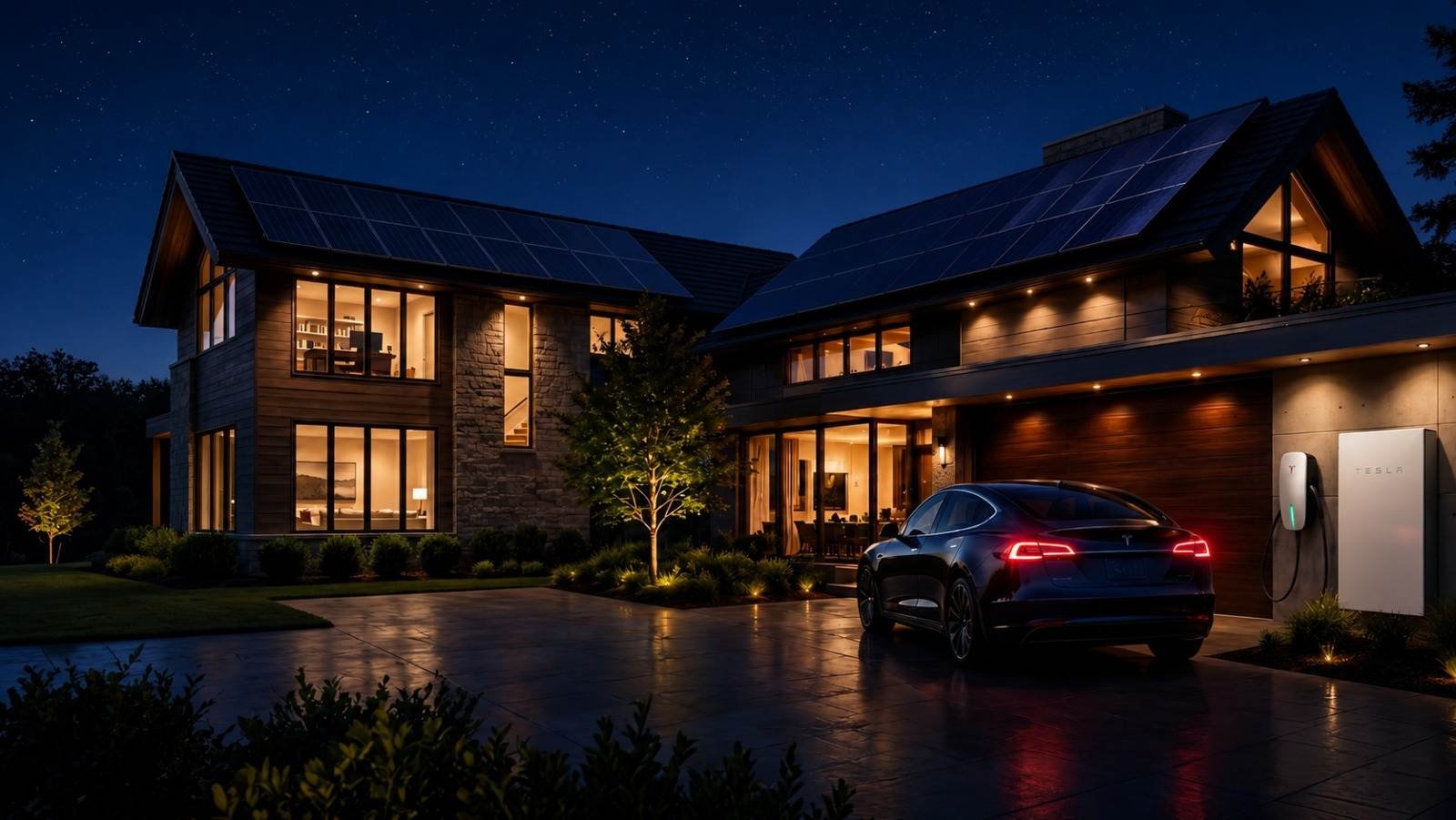
How to Get Electrical Panel Upgrade Jobs
Panel and service upgrades have quietly become one of the steadiest sources of work for residential electricians. Homes built for a 1990s electrical load are now being asked to run EV chargers, heat pumps, induction ranges, and battery backup, and the old panel is often the bottleneck.
This article covers why demand is rising, what the job involves, and where the good appointments come from. If you would rather skip the marketing and have booked upgrade appointments sent to you, Charge Home Solutions connects licensed electricians with homeowners who have already scheduled a visit.
Why panel and service upgrade demand is growing
The broad driver is electrification. As homeowners add EV chargers, heat pumps, and battery storage, they add load to systems that were never sized for it. A 100A panel that was fine for a gas-heated home in 2000 can run short of capacity once a Level 2 charger and a heat pump enter the picture.
Older equipment adds to the demand. Fuse boxes, split-bus panels, and panels from manufacturers with known reliability problems come up constantly during inspections and insurance reviews. Home additions and finished basements also push existing services past what they were designed to carry.
Why these are good jobs to chase
Panel and service upgrades tend to carry a higher ticket than routine service calls, and the scope is well defined, so they are easier to price accurately once you have done a few. They also tend to be a gateway: a homeowner upgrading a panel is very often doing it to enable something else, like an EV charger, a battery, or a larger HVAC system.
That means one upgrade can lead directly to follow-on work. Our guide on how to get EV charger and Powerwall jobs covers that adjacent market in more detail.
What the scope actually involves
Pricing and winning these jobs starts with knowing the full scope. A typical service upgrade includes most of the following:
- Load calculation to confirm the new service size (often 200A) is justified and code-compliant.
- Permitting with the local authority having jurisdiction.
- Utility coordination, including scheduling the service disconnect and reconnect.
- Meter and mast work, and often a new meter base.
- Grounding and bonding brought up to current code.
- Inspection and final sign-off before the utility reconnects.
Where the jobs come from
Upgrade work tends to arrive through a handful of reliable channels, and busy electricians usually work more than one at a time:
- Past-customer referrals, still the most consistent source for most shops.
- Google Business Profile and local SEO, so you show up when someone searches for a panel upgrade in your area.
- Home inspectors and real-estate agents, who flag outdated panels during sales.
- Solar, EV, and HVAC companies that sell systems but need a licensed electrician for the panel work.
- Exclusive appointment networks, which send booked jobs rather than shared leads.
Practical steps to win more upgrade jobs
Make the panel a standard part of every EV charger and battery quote. When a homeowner asks about a Level 2 charger, the load calc often shows the existing service cannot support it, and you are already on site to explain the upgrade. Bundling the panel with the charger install is one of the cleanest ways to raise your average job value. For a broader look at building these channels, see the best ways to get electrician leads.
Letting the appointments come to you
Marketing takes time a lot of electricians would rather spend in the field. Charge Home Solutions sends licensed electricians exclusive, already-booked customer appointments, including panel and service upgrades, rather than shared leads several contractors are all calling at once. It is free to join, you pay a flat per-job fee only after the customer has paid you, and it helps electricians get Tesla and SPAN certified. Appointment volume varies by area and is not guaranteed.
Frequently asked questions
It varies by region, service size, and site conditions, so there is no single figure. Upgrades generally carry a higher ticket than routine service calls because of the labor, permitting, utility coordination, and materials involved. Pricing accurately comes down to a good load calculation and a clear scope.
Electrification is the main driver. EV chargers, heat pumps, induction ranges, and battery storage all add load to services that were never sized for them. Older 100A panels, fuse boxes, and split-bus panels also come up during inspections and home sales.
Typically a load calculation, a permit, utility coordination for the disconnect and reconnect, meter and mast work, grounding and bonding brought to code, and a final inspection before the utility reconnects. The utility coordination and inspection timing are what separate a service upgrade from a simple panel swap.
The most common sources are past-customer referrals, Google Business Profile and local SEO, home inspectors and real-estate agents, partnerships with solar and EV companies that need panel work, and exclusive appointment networks. Most busy shops work several channels at once.
Yes, when the load calc supports it. A Level 2 charger often exceeds what an older service can handle, so you are already on site to explain and quote the upgrade. Bundling raises your average job value and saves the homeowner a second visit.
Many upgrades move a home from 100A to 200A service, but the correct size depends on the load calculation for that specific home and its planned additions. Never size the service from a rule of thumb; run the calc so the result is code-compliant.
It sends licensed electricians exclusive, already-booked customer appointments, including panel and service upgrades, rather than shared leads. It is free to join, you pay a flat per-job fee only after you have been paid, and it helps electricians get Tesla and SPAN certified. Full details are on the electricians page. Volume varies by area and is not guaranteed.
Do clean, well-documented work and make it easy for others to send you jobs. Give home inspectors and real-estate agents your card for flagged panels, stay in touch with local solar and EV installers, and keep your Google Business Profile current with photos.
Related guides
How to Find a Licensed Electrician Near You: A 2026 Guide
A practical guide to finding, vetting, and hiring a licensed, insured electrician near you, from verifying the license to comparing estimates and spotting red flags before you book.
Read article →How to Verify a Tesla Certified Installer Before You Hire
To verify a Tesla Certified Installer, check the company against Tesla's own installer resources, then confirm its electrical license, liability insurance, and local permit history yourself. Do not re
Read article →What Does "Tesla-Certified Installer" Actually Mean, and Why It Matters
A Tesla-certified installer is a licensed electrical contractor that Tesla has reviewed and approved to install its home energy products, such as the Wall Connector and Powerwall. It is not a title an
Read article →Tesla Certified Electricians: What They Do and How to Choose One
Tesla certified electricians are licensed electricians who have been vetted to install Tesla products, such as the Wall Connector home charger and Powerwall battery, to the manufacturer's installation
Read article →How Much Do Electrician Leads Cost?
What shared, exclusive, and pay-per-appointment electrician leads really cost in 2026, and how to calculate your true cost per booked job, not per lead.
Read article →Angi vs Thumbtack vs HomeAdvisor for Electricians: Are the Leads Worth It?
How Angi, Thumbtack, and HomeAdvisor leads work for electricians, the complaints that keep coming up, the real cost-per-job math, and an exclusive-appointment alternative.
Read article →Get exclusive, already-booked electrical jobs
Join free. Set your area and job types, get booked appointments by text, and pay a flat per-job fee only after you're paid.