


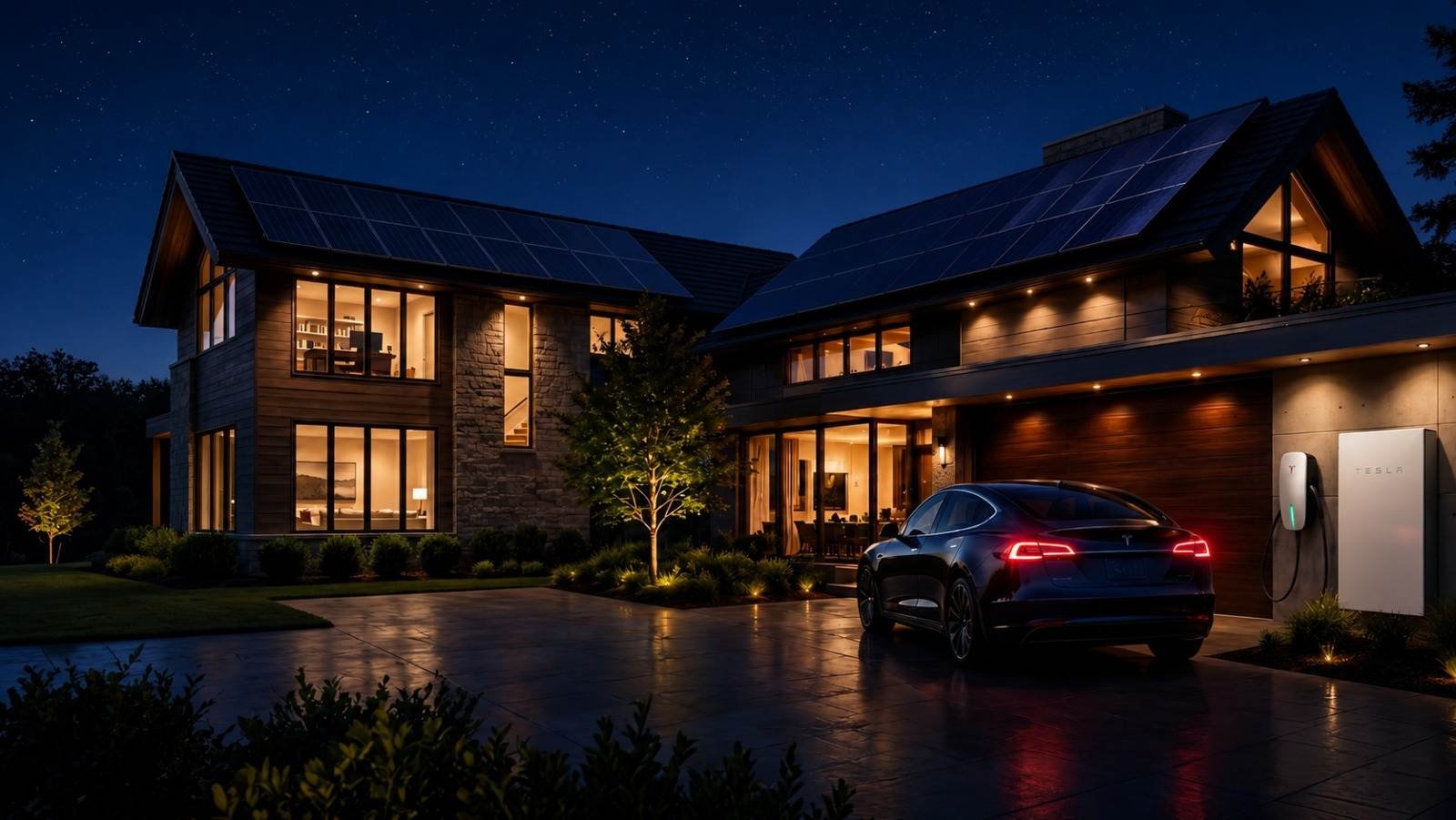
Tesla Powerwall 3 Cost in 2026: Full Price Breakdown
The Tesla Powerwall 3 is one of the most popular home batteries in the country, but its price is not a single sticker number. What you pay depends on your hardware, the electrical work your home needs, how many units you install, and local permit costs. This guide breaks down what a Powerwall 3 actually costs in 2026 and why two homes on the same street can get very different quotes.
What a Powerwall 3 costs in 2026
As a starting point, Tesla Powerwall 3 hardware typically runs about $9,200 or more for a single unit. That figure covers the battery itself, which includes a built-in inverter. It does not cover the labor, materials, permits, and inspections needed to install it safely and legally. Once those are added, a fully installed single-unit system usually costs more than the hardware price alone.
Because installation is such a big part of the total, it helps to think in terms of a complete project cost rather than just the battery price. A professional assessment of your home is the only way to get an accurate number.
What's included in a Powerwall 3 installation
A proper installation is more than mounting a battery on the wall. A typical project includes several parts:
Charge Home Solutions is a Tesla Energy Certified installer and handles permits and inspections as part of the job, so you are not left coordinating paperwork on your own.
- The Powerwall 3 unit with its integrated inverter and 13.5 kWh of usable storage.
- The system controller or gateway, which manages backup, monitors energy, and safely disconnects your home from the grid during an outage.
- Electrical work such as wiring, conduit, breakers, and connections to your main panel.
- Mounting hardware and any weatherproofing for outdoor installs.
- Permits and inspection handled with your local building department and utility.
- Labor from a certified installer.
Why installation costs vary so much
The battery price is fairly consistent, but installation is where quotes swing. A few factors drive the difference.
Your electrical panel
Your home battery ties into your main electrical panel. If your panel is older, undersized, or already full, it may need upgrades before a Powerwall can be added. A 200-amp panel upgrade typically costs somewhere in the range of $1,800 to $4,500, depending on your home. Many battery projects include panel work, and that alone can move your total quite a bit.
How your home is wired for backup
Backing up your whole home costs more than backing up just essential circuits, because it may require extra equipment and more complex wiring. Some homes need a separate backup panel or additional controls, which adds materials and labor.
Distance and access
The distance between your battery, your panel, and your meter affects how much wire and conduit are needed. A clean, short run is cheaper than one that snakes across the house or requires trenching.
Local permits and requirements
Permit fees and utility rules differ from town to town. Some areas have simple, fast approvals, while others require more paperwork, inspections, or specific equipment.
Single unit vs. multiple units
Many homes do fine with a single Powerwall 3 for essential backup, while larger homes or those wanting whole-home coverage often need two units. Each added unit brings roughly another 13.5 kWh of storage and adds to both hardware and labor costs.
Installing two units at once is usually more efficient than adding a second one later, since much of the setup and electrical work is shared. If you think you may want more capacity down the road, it is worth discussing during your first assessment. A professional load evaluation will tell you how many units your home actually needs, so you are not paying for storage you will not use.
Tax credits and rebates in 2026
This is where a lot of outdated advice can cost you. The federal residential clean energy credit under Section 25D, which gave homeowners 30% back on a home battery purchase, ended after December 31, 2025. If you buy a Powerwall 3 outright in 2026, you should not count on that 30% federal credit.
The good news is that other savings still exist:
Incentives change frequently, so confirm what is currently available in your area and talk to a tax professional about your specific situation before you count on any credit.
- State and utility battery rebates are still available in many areas. Programs such as California's SGIP, New York's NYSERDA, and offerings in states like Connecticut and Colorado can help lower your cost. Program details and funding change often.
- Bill savings and backup value matter too. A battery can store cheaper power and help you avoid high-rate periods, and it keeps your lights on during outages.
- Solar lease or PPA options may allow certain commercial credits to be applied by the provider, which can be reflected in your pricing.
How to get an accurate price
The only way to know your real cost is a professional assessment. An installer will review your panel, your energy usage, your backup goals, and your local rules, then give you a detailed quote. Watch for quotes that seem unusually low, since they may leave out panel upgrades, permits, or the gateway.
Charge Home Solutions offers free quotes and can walk you through hardware, installation, and any rebates you may qualify for. Call 888-995-6044 to get a clear, itemized estimate for your home before you make a decision.
Frequently asked questions
Hardware typically starts around $9,200 for a single unit, and a fully installed system usually costs more once you add electrical work, the gateway, permits, and inspection. Your total depends on your home, so a professional quote is the only accurate number.
No. The 30% federal Section 25D credit for home batteries ended after December 31, 2025, so an outright purchase in 2026 does not qualify. State and utility rebates may still apply. Confirm current programs and consult a tax professional.
Installation varies with your electrical panel's condition, whether you back up your whole home or just essentials, the distance of wiring runs, the number of units, and local permit rules. These factors can change a total significantly from one home to the next.
Sometimes. If your main panel is old, undersized, or full, it may need an upgrade first. A 200-amp panel upgrade typically runs $1,800 to $4,500. A professional assessment will tell you whether your panel needs work.
Related guides
Does a Home EV Charger or Powerwall Add Value When You Sell?
Often, yes, but not in a guaranteed dollar-for-dollar way. A home EV charger or a Powerwall usually makes a house more appealing to buyers who drive electric or care about backup power, and it can hel
Read article →Can Your Home Electrical Panel Handle an EV Charger and a Powerwall?
Often, yes, but it depends on your panel's rating, how much power your home already uses, and how the two devices are set up. Many homes with a 200 amp panel can support both a Level 2 EV charger and
Read article →Whole-Home Battery Backup vs a Gas Generator: A Practical Comparison
A whole-home battery backup, such as a Tesla Powerwall, switches on automatically, runs silently, needs no fuel and can recharge from solar. A gas generator can run as long as you have fuel and often
Read article →Powerwall 3 vs Powerwall 2: What Changed and What It Means for Your Home
The biggest change from Powerwall 2 to Powerwall 3 is not storage size, it is power and integration. Both batteries are rated around 13.
Read article →Pairing a Tesla Powerwall With Solar: What Homeowners Should Know
A Tesla Powerwall stores the extra electricity your solar panels produce during the day so you can use it at night or during a grid outage. Without a battery, most grid-tied solar systems shut down wh
Read article →Tesla Powerwall vs a Standby Generator for Backup Power: Which Is Right for Your Home?
A Tesla Powerwall is a quiet, battery-based system that switches on automatically during an outage and can recharge from solar. A standby generator is a fuel-burning engine that can run for as long as
Read article →