


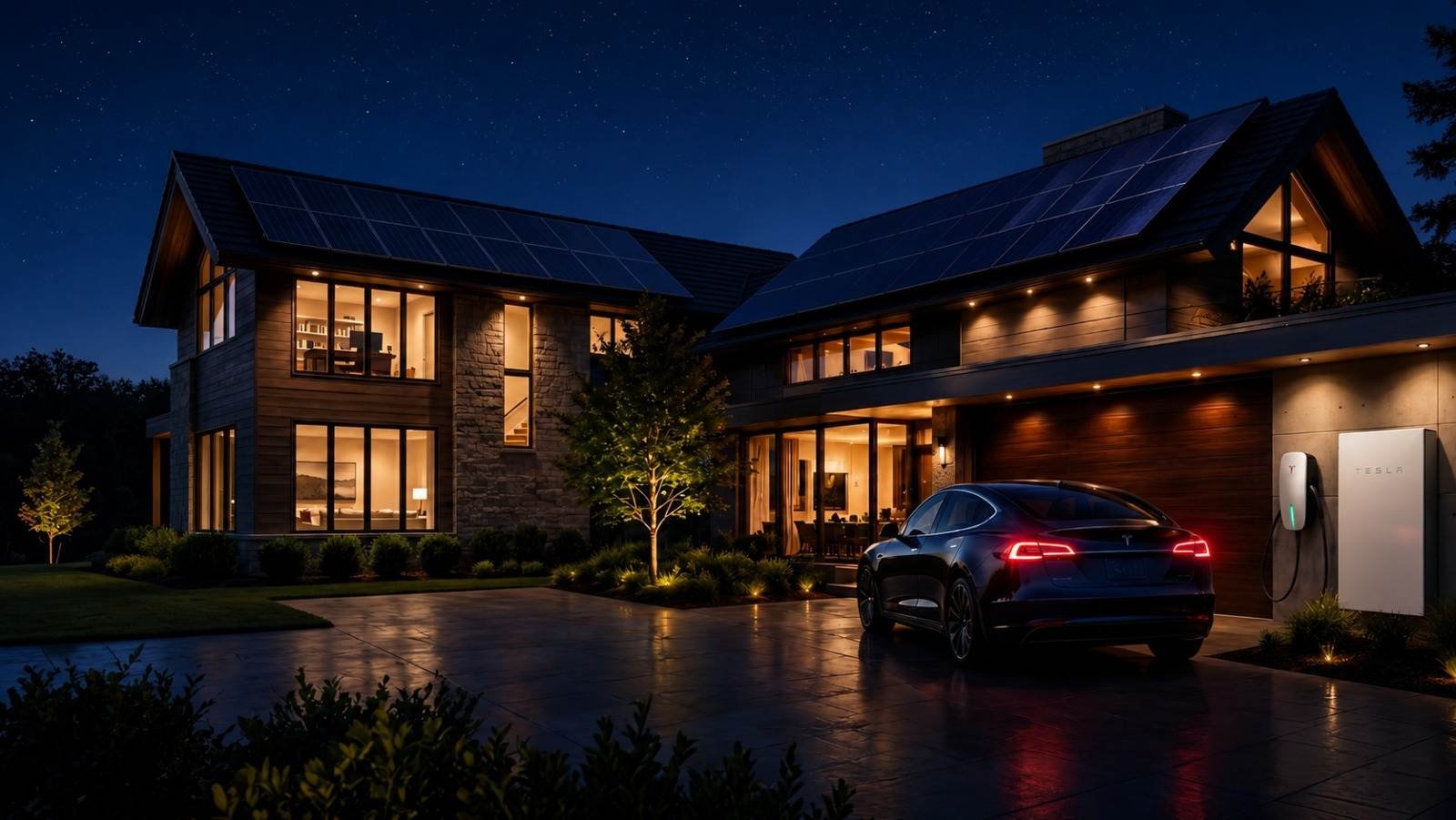
What to Look for When Hiring an EV Charger or Powerwall Installer
Installing an EV charger or a home battery like the Tesla Powerwall is a real electrical project, not a plug-and-play gadget. The equipment ties directly into your home's electrical system, often draws a lot of power, and has to pass inspection. Who does the work matters just as much as which product you buy.
A good installer protects your safety, your warranty, and your investment. A careless one can leave you with code violations, voided warranties, and expensive rework. This guide walks through what to look for, whether you are adding a Tesla Wall Connector in the garage or a Powerwall for backup power.
Start with licensed and insured
The first question to ask any installer is whether they are a licensed electrician and carry insurance. This is not a formality. EV chargers and home batteries involve high-voltage connections, and improper work is a genuine fire and shock hazard.
A license means the electrician has met your state's training and testing requirements and is accountable to a licensing board. Insurance, including liability coverage and workers' compensation, means that if something goes wrong or a worker is injured on your property, you are not the one left paying for it. Ask to see proof of both, and confirm the license is valid in your state.
Look for manufacturer certification
Certification is different from a license. A license says someone is a qualified electrician. Manufacturer certification says they have been trained and authorized by the company that makes your specific equipment.
This matters most for warranty protection. Tesla products such as the Wall Connector, Universal Wall Connector, and Powerwall are designed to be installed by installers who understand the equipment. Using a Tesla Certified Installer helps ensure the installation is done to Tesla's standards so your manufacturer warranty stays intact. If an unqualified installer damages the equipment or wires it incorrectly, you can be left without warranty coverage on a costly system.
You can verify Tesla certification directly in Tesla's official directory at tesla.com/support/certified-installers.
Confirm they pull permits and handle inspection
Reputable installers pull the required electrical permit and schedule the municipal inspection. Some cut corners here to save time, but skipping permits is a mistake that can come back to bite you.
Permitted, inspected work protects you in three ways: it confirms the installation meets local electrical code, it keeps you compliant for insurance purposes, and it prevents problems when you sell your home, where unpermitted electrical work can derail a sale. If an installer suggests skipping the permit, treat that as a warning sign.
Insist on a written, itemized estimate
Before any work begins, you should receive a written estimate that itemizes the cost of equipment, labor, permits, and any electrical upgrades. A clear, itemized quote lets you compare bids fairly and protects you from surprise charges once the job is underway.
Vague, verbal, or lump-sum pricing makes it hard to know what you are paying for. A professional installer will put it in writing and explain each line. Many, including Charge Home Solutions, offer a free in-home estimate so the pricing reflects your actual home rather than a rough guess over the phone.
Make sure they check your electrical panel
An EV charger or Powerwall can add significant load to your electrical system. A qualified installer will evaluate your main panel's capacity and available breaker space before quoting the job, rather than assuming your existing setup can handle it.
Sometimes an older or fully loaded panel needs an upgrade to support the new equipment safely. That is normal, and a good installer will tell you upfront if a panel upgrade is part of the scope. An installer who skips this step may undersize the work or create an unsafe condition.
Prioritize specific EV and battery experience
General electrical experience is valuable, but EV chargers and home batteries are their own specialty. Battery systems like Powerwall and Powerwall 3, features like Powershare that let a compatible vehicle or system provide backup power, and smart charging equipment all involve configuration and commissioning steps that general handyman work does not.
Ask how many EV charger and battery installations the company has done and whether they work with your specific products. An installer who does this work regularly is more likely to size the system correctly, configure it properly, and get it right the first time.
Your installer checklist
Use this quick checklist when comparing installers:
- Licensed electrician, valid in your state
- Insured, with liability and workers' compensation coverage
- Manufacturer-certified for your equipment (Tesla certified for Tesla products, so your warranty stays intact)
- Pulls permits and schedules the required inspection
- Provides a written, itemized estimate before starting
- Checks your electrical panel capacity and flags any needed upgrades
- Specific experience with EV chargers and home batteries, not just general wiring
- Clear warranty and workmanship guarantee in writing
- Real, verifiable reviews from past customers
How Charge Home Solutions measures up
Charge Home Solutions, operated by Evolution Dynamics LLC, is a Tesla Energy Certified Installer listed in Tesla's official directory. It works through a nationwide network of more than 4,000 licensed, insured electricians across all 50 states, and installs the Tesla Wall Connector, Universal Wall Connector, Powerwall, Powerwall 3, and Powershare, along with panel upgrades and general electrical work.
That combination lines up with the checklist above: certified for Tesla equipment so your warranty stays intact, licensed and insured, and experienced with both EV chargers and home batteries. You can read reviews from past customers and get a free in-home estimate to see exactly what your project involves before you commit.
Frequently asked questions
Look for a licensed, insured electrician who is certified for your equipment, pulls the required permit, provides a written and itemized estimate, checks your electrical panel capacity, and has specific experience installing EV chargers. A clear warranty and real customer reviews round out a trustworthy installer.
Using a Tesla Certified Installer is strongly recommended. Certification means the installer has been trained and authorized to install Tesla products to Tesla's standards, which helps keep your manufacturer warranty intact. You can verify certification in Tesla's official directory at tesla.com/support/certified-installers.
Yes. A reputable installer pulls the required electrical permit and schedules the municipal inspection. Permitted, inspected work confirms the job meets local code, keeps you compliant for insurance, and avoids complications if you sell your home. Treat any suggestion to skip the permit as a warning sign.
Ask for their electrical license number and proof of insurance, including liability and workers' compensation coverage. You can confirm a license is valid through your state's licensing board. A professional installer will share this information without hesitation.
Yes. Charge Home Solutions, operated by Evolution Dynamics LLC, is a Tesla Energy Certified Installer listed in Tesla's official directory, working through a nationwide network of over 4,000 licensed, insured electricians in all 50 states. It installs Tesla Wall Connectors, Powerwall, Powerwall 3, and Powershare, handles panel upgrades, and offers a free in-home estimate.
Ask whether they are licensed and insured, whether they are certified for your specific equipment, if they pull permits and handle inspection, how many EV charger and battery installations they have completed, whether they will assess your panel, and what warranty and workmanship guarantee they provide.
EV chargers and home batteries can add significant load to your electrical system. If your panel lacks capacity or available breaker space, it may need an upgrade to support the new equipment safely. A qualified installer checks this before quoting and tells you upfront if a panel upgrade is needed.
It can. Manufacturer warranties generally assume the equipment is installed correctly by a qualified installer. Using a certified installer for your specific products helps ensure the work meets the manufacturer's standards so your warranty stays intact.
Reviews help you gauge reliability, workmanship, and how an installer handles problems. Look for real, verifiable reviews from past customers rather than vague claims, and weigh how the company responds when issues come up.
Related guides
How to Find a Licensed Electrician Near You: A 2026 Guide
A practical guide to finding, vetting, and hiring a licensed, insured electrician near you, from verifying the license to comparing estimates and spotting red flags before you book.
Read article →How to Verify a Tesla Certified Installer Before You Hire
To verify a Tesla Certified Installer, check the company against Tesla's own installer resources, then confirm its electrical license, liability insurance, and local permit history yourself. Do not re
Read article →What Does "Tesla-Certified Installer" Actually Mean, and Why It Matters
A Tesla-certified installer is a licensed electrical contractor that Tesla has reviewed and approved to install its home energy products, such as the Wall Connector and Powerwall. It is not a title an
Read article →Tesla Certified Electricians: What They Do and How to Choose One
Tesla certified electricians are licensed electricians who have been vetted to install Tesla products, such as the Wall Connector home charger and Powerwall battery, to the manufacturer's installation
Read article →How Much Do Electrician Leads Cost?
What shared, exclusive, and pay-per-appointment electrician leads really cost in 2026, and how to calculate your true cost per booked job, not per lead.
Read article →Angi vs Thumbtack vs HomeAdvisor for Electricians: Are the Leads Worth It?
How Angi, Thumbtack, and HomeAdvisor leads work for electricians, the complaints that keep coming up, the real cost-per-job math, and an exclusive-appointment alternative.
Read article →