

Why Demand for Electricians Is Surging in America
America is electrifying, and it's driving one of the biggest surges in **demand for electricians** in decades. Electric vehicles, home batteries, solar, heat pumps, and smart panels all require skilled electrical work, while the existing workforce is retiring faster than it's being replaced.
The result is a rare moment: more electrical work than there are electricians to do it. For homeowners, that means planning ahead to find quality help. For electricians and anyone considering the trade, it means a generational opportunity. This guide explains what's driving the surge and what it means for you.
It's a shift you can already feel. If you've waited weeks for an electrician to return a call, or watched a neighbor add solar, a battery, and an EV charger in a single year, you're seeing the trend up close. Behind every one of those upgrades is a licensed professional in growing demand, and the trend is accelerating, not slowing.
Whether you're a homeowner who needs an EV charger installed or a tradesperson weighing your next move, the electrification boom is reshaping the industry, let's break it down.
The electrification boom
For most of the last century, home electrical demand was fairly stable. That era is over. Homes are rapidly adding large new electrical loads, and each one needs a licensed electrician to install safely.
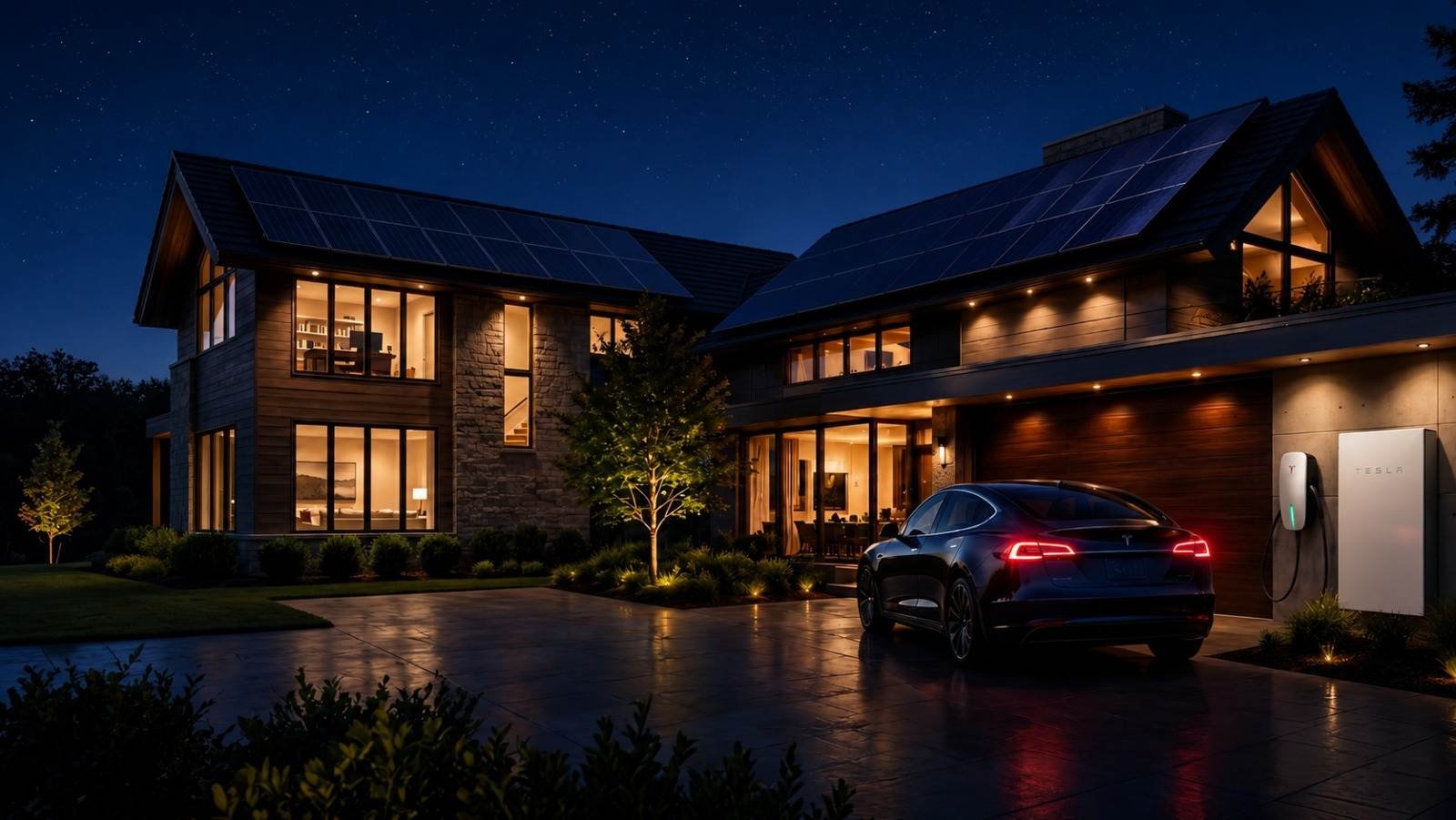
EVs need Level 2 chargers. Solar needs wiring and interconnection. Home batteries like the Powerwall need certified installation. Heat pumps and induction ranges replace gas appliances with electric ones. And smart panels are becoming the brain of the modern home. Every one of these is electrician work.
The numbers behind the demand
This isn't hype, it's measurable. EV sales keep climbing, solar and storage installations are growing fast, and the U.S. Bureau of Labor Statistics projects electrician employment to grow faster than the average for all occupations over the coming decade. You can see the official outlook on the BLS occupational handbook.
At the same time, demand isn't just about new technology, it's also about replacing an aging workforce, as we'll see next.
| Demand driver | Why it needs an electrician |
|---|---|
| EV adoption | Every home charger requires a dedicated 240V circuit |
| Solar + storage | Wiring, inverters, and utility interconnection |
| Heat pumps | New high-amperage electric circuits |
| Panel upgrades | Older homes can't support modern loads |
| Smart panels | Circuit-level monitoring and control installs |
The workforce shortage
Here's the other half of the story. A large share of working electricians are nearing retirement, and for years fewer young people entered the skilled trades than the economy needed. As experienced electricians retire, they take decades of expertise with them.
The math is simple and stark: demand is rising while the supply of qualified electricians struggles to keep pace. That imbalance is exactly what creates both a challenge for homeowners and an opportunity for skilled tradespeople.
The bottom line on supply and demand
More electrical work plus fewer electricians equals strong, sustained demand, and rising value for the people who do this work well.
What's driving the surge
- **EV adoption**, every home charger needs a licensed install
- **Home batteries and solar-plus-storage** going mainstream
- **Heat pumps and induction ranges** adding major electrical load
- **Aging homes** needing panel upgrades and rewiring
- **Grid modernization** and resilience after extreme-weather outages
- **A wave of retirements** shrinking the experienced workforce
What it means for homeowners
If you've struggled to get an electrician to call you back, you're feeling the shortage firsthand. High demand means quality, available electricians can be harder to book, and prices reflect it, especially in busy markets.
The practical advice: plan ahead for projects like EV chargers, panel upgrades, and battery installs rather than waiting until you're in a rush. And work with an established, accountable company rather than chasing the cheapest one-person quote.
How a nationwide network helps homeowners
This is part of why Charge Home Solutions built a nationwide network of vetted, licensed, Tesla-certified electricians. Instead of cold-calling around town, you get matched with a qualified local pro, with transparent pricing and a workmanship guarantee, even when local demand is high.
For homeowners, a network turns a frustrating search into a simple booking, while keeping the quality and accountability of a national brand behind the work.
What it means for electricians
For licensed electricians, the electrification boom is a once-in-a-generation opportunity. The highest-value residential work, EV chargers, Powerwall and battery installs, panel upgrades, smart panels, is in constant, growing demand, and it commands strong margins.
The challenge for many skilled electricians isn't finding work; it's finding the right work and not drowning in the business side. That's where the model is changing.
The highest-demand electrical work today
- EV charger installation, the fastest-growing residential category
- Tesla Powerwall and home battery installation
- 200-amp panel upgrades for electrified homes
- Solar-plus-storage wiring and interconnection
- SPAN and smart-panel installation
- Whole-home rewiring and service upgrades in older homes
How networks change the opportunity
Traditionally, an independent electrician spends a huge share of their time on marketing, quoting, scheduling, and chasing payment, not on the work they're skilled at. A modern network flips that.
By handling lead generation, scheduling, and customer support, a network like Charge Home Solutions lets electricians focus on high-value installations and take on more premium jobs. The electrician does what they do best; the network handles the rest.
Considering the trade?
For anyone weighing a career, electrical work is one of the strongest bets in the skilled trades right now: rising demand, good pay, hard-to-automate work, and a clear path from apprentice to licensed journeyman to business owner.
And unlike many careers, it can't be offshored or easily automated, someone has to physically install that charger, battery, or panel. The electrification of America runs on electricians.
What electricians can earn
Strong demand and limited supply push earnings up. Electrician pay varies by region, specialty, and experience, but skilled residential electricians who focus on high-value work, EV chargers, batteries, panel upgrades, are well-positioned in today's market.
Specializing in the electrification niche is especially lucrative. These installs command premium pricing, repeat through referrals, and are growing in volume. An electrician who builds expertise in Tesla-certified Powerwall and EV charger work taps directly into the fastest-growing, highest-margin segment of the trade.
And because the work is local and hands-on, it isn't subject to the wage pressure of jobs that can be outsourced, the value stays with the person doing the install.
The path into the trade
One of the trade's biggest advantages is the clear, debt-light path to a career. Rather than four years of college and student loans, aspiring electricians typically earn while they learn through an apprenticeship.
The usual route runs from apprentice (working under a licensed electrician while completing classroom hours) to licensed journeyman, and eventually to master electrician or business owner. Along the way you're paid, not paying tuition. For many people, it's one of the most financially sensible routes into a skilled, stable career.
Certifications, like Tesla Energy certification for Powerwall and Wall Connector installs, add further earning power by qualifying you for premium, brand-backed work.
Why this boom is different from past ones
Construction trades have always had busy cycles, but the current surge is structural, not cyclical. It's driven by a once-in-a-generation shift in how homes use energy, from gas to electric, from grid-only to solar-and-storage, from gas cars to EVs.
That transition will play out over decades, not years. Each electrified home is a new, durable source of electrical work, and the trend lines all point the same direction. This isn't a temporary spike tied to interest rates or a housing cycle; it's a long-term re-wiring of the country.
Work that can't be automated or offshored
In an era of AI and automation anxiety, electrical work stands out for its security. Someone has to physically run the wire, mount the charger, and install the panel, in your specific home, to your local code, passing your local inspection.
That hands-on, location-specific, safety-critical nature makes the work remarkably resistant to both automation and offshoring. The electrification of America is, by definition, a job that has to be done on-site, by skilled people, one home at a time.
How long does it take to become an electrician?
Becoming a licensed electrician typically takes about four to five years through an apprenticeship that combines on-the-job training with classroom instruction. Crucially, you earn a wage the entire time, so you build income and skills simultaneously, without taking on student debt.
After becoming a licensed journeyman, many electricians pursue additional certifications and eventually a master license or launch their own business. The progression is well-defined and merit-based: do good work, gain experience, and your earning power rises with you.
Specialty certifications, like Tesla Energy certification for Powerwall and Wall Connector installs, can be added more quickly and immediately open the door to premium, brand-backed work, a fast track into the highest-demand corner of the trade.
The most future-proof specialties
Within the trade, some specialties are growing far faster than others. The clear winners are all tied to electrification: EV charging infrastructure, battery storage, solar interconnection, and smart-panel installation.
Electricians who build deep expertise in these areas, rather than competing on general, commoditized work, position themselves at the center of the boom. The demand is highest, the margins are best, and the work is the least replaceable by a lower-cost competitor.
As homes continue to electrify, these specialties will only grow more valuable. An electrician who masters EV charger and Powerwall installation today is building a career on the strongest foundation in the trade.
The opportunity in a sentence
Specialize in electrification work, get certified, and join a network that keeps you booked, and you're positioned at the very center of the biggest trend in the trade.
Demand is strong almost everywhere
Unlike some economic trends concentrated in a few cities, electrification demand is broad. EVs, solar, batteries, and aging electrical panels exist in every state, from dense coastal metros to fast-growing suburbs to rural communities.
That geographic breadth is part of why a nationwide network model works so well: there's high-value electrical work to be done in virtually every market, and the people qualified to do it are in short supply nearly everywhere. Wherever you live, the demand is real.
What homeowners should take from this
If you have an electrical project on the horizon, an EV charger, a panel upgrade, a battery, or solar, the practical lesson is to plan ahead and choose carefully. The best electricians are in demand, so booking early and working with an accountable, established company beats scrambling for the cheapest last-minute quote.
A nationwide, vetted network gives you the availability and quality you need even when local demand is high, which is exactly the gap the electrification boom has created.
The bottom line
Electrification is driving historic demand for electricians, while the experienced workforce retires, a combination that benefits skilled tradespeople and rewards homeowners who plan ahead and choose accountable installers.
For both groups, the takeaway is the same: this is a structural, long-term shift, not a passing trend. Homeowners who plan ahead get better, faster service, and electricians who lean into electrification work build the most secure and rewarding careers in the trade. The country is being re-wired, one home at a time, and the people doing that work have never been more in demand.
If you're a homeowner, get a free estimate from our vetted network. If you're a licensed electrician, learn about joining the network and tapping into the steadiest stream of premium installations in the country.
Frequently asked questions
Yes. The electrification of homes, EV chargers, solar, batteries, heat pumps, and smart panels, is driving strong demand, while a large share of experienced electricians is retiring. The U.S. Bureau of Labor Statistics projects faster-than-average job growth for electricians.
Two forces collide: rapidly rising demand from electrification, and an aging workforce retiring faster than new electricians enter the trade. For years, fewer young people pursued the skilled trades than the economy needed.
It's one of the strongest bets in the skilled trades: rising demand, good pay, hard-to-automate work, and a clear path from apprentice to licensed journeyman to business owner. The work also can't be offshored, someone has to physically do the install.
EV charger installation is the fastest-growing residential category, followed by Tesla Powerwall and battery installs, 200-amp panel upgrades, solar-plus-storage wiring, and smart-panel installation.
High demand and a limited supply of qualified electricians mean the best ones are often booked out, especially in busy markets. Planning projects ahead and working with an established network helps you get quality help faster.
Licensed, insured electricians can apply through our careers page. The network provides a steady stream of pre-qualified EV charger, Powerwall, and panel-upgrade jobs while handling marketing, scheduling, and customer support.
All signs point to yes. EV adoption, home battery storage, heat pumps, and grid modernization are long-term trends, and each adds electrical work. The demand for skilled electricians is expected to remain strong for years.
By removing the marketing and admin burden and supplying a steady flow of premium, high-margin installations, a network lets skilled electricians take on more of the valuable work they do best, focusing their time where it earns the most.
Related guides
How to Become a Tesla Certified Installer
What Tesla certification is, why it opens higher-paying jobs for electricians, and how to get certified through a nationwide network.
Read article →How Much Does EV Charger Installation Cost in 2026?
A full breakdown of Level 2 home EV charger installation costs, what drives the price, and how to save.
Read article →Level 1 vs Level 2 EV Charging: Which Do You Need?
The real-world difference between Level 1 and Level 2 home charging speeds and costs.
Read article →The Best Home EV Chargers in 2026
Our pick of the best Level 2 home EV chargers compared on speed, features, and value.
Read article →Tesla Wall Connector vs Mobile Connector
Which Tesla home charging option is right for you, speed, cost, and convenience compared.
Read article →How Much Does a Tesla Powerwall Cost in 2026?
Installed Powerwall pricing, incentives, and how many units you actually need.
Read article →