


Generator Sizing Calculator
Select what you want to back up
Estimated running + surge load
Recommended standby generator
Includes a 25% surge margin. A site assessment confirms the right size and transfer switch.
How to size a standby generator
This calculator helps you find the right standby generator size by adding up the wattage of the circuits and appliances you want to keep running during an outage. Size too small and the generator can't carry your load; size too large and you overpay for capacity you'll never use.
The key is deciding what you actually need to back up. Essential-circuit backup (furnace, fridge, lights, internet) needs far less capacity than whole-home backup that includes central air conditioning and an electric range.
Essential vs whole-home backup
Most homeowners choose between two approaches. Essential backup powers the circuits you can't live without and keeps the generator, and the cost, smaller. Whole-home backup runs everything, including A/C, but requires a larger unit and a bigger budget.
Your biggest loads are usually motor-driven appliances: the air conditioner, well pump, and HVAC blower all draw a surge of power when they start, which the generator must handle. The calculator accounts for these starting loads.
What to include in your load
- Refrigerator and freezer
- Furnace blower or heat pump
- Well pump or sump pump
- Central air conditioning (a large starting load)
- Lights, outlets, internet, and medical devices
- Electric range, oven, or water heater (if backing those up)
From sizing to installation
Once you know your target size, a professional generator installation includes the automatic transfer switch that safely connects the generator to your panel and starts it the moment the grid goes down. Pairing it with a transfer switch sized to your generator is essential.
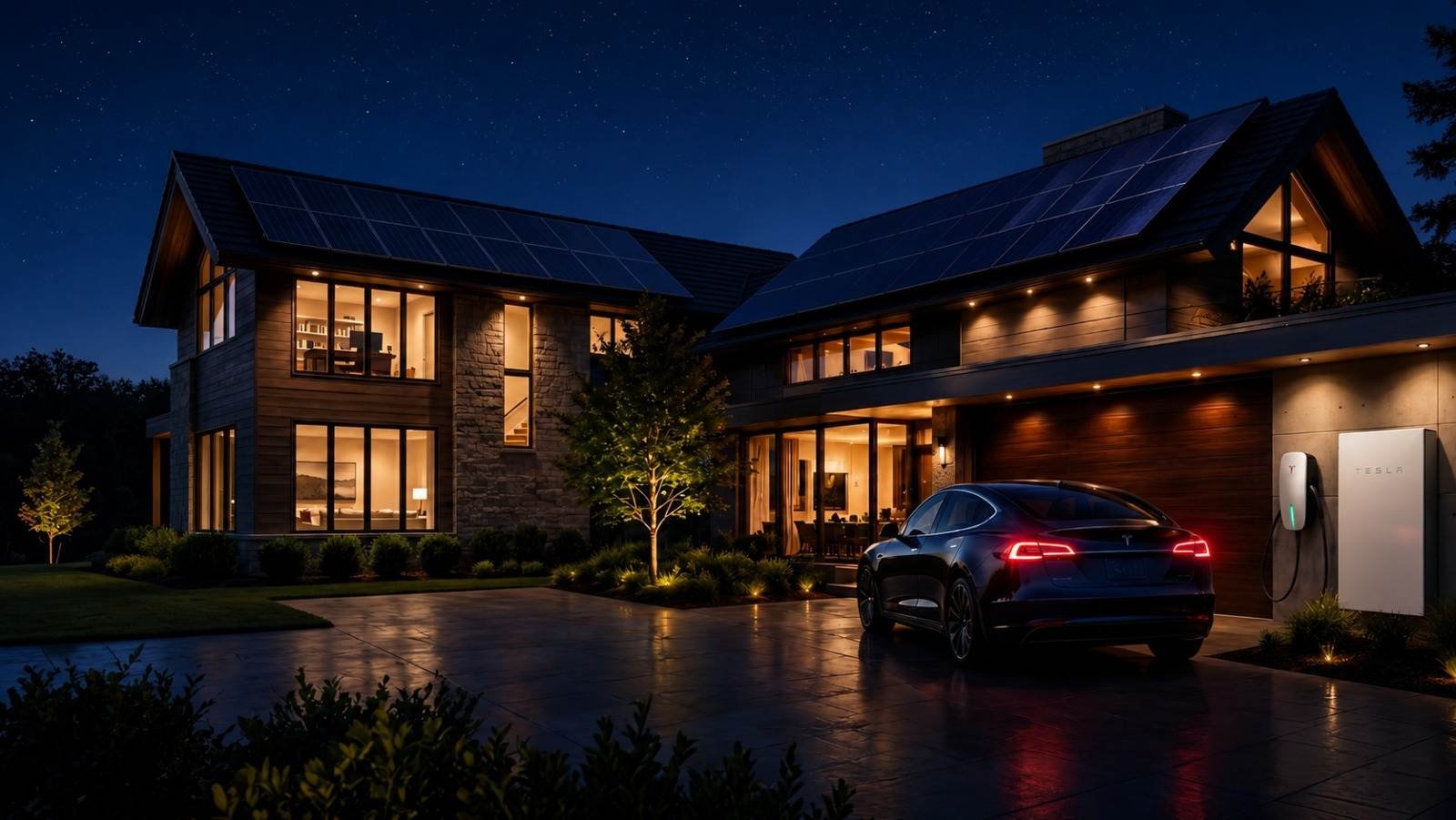
For budgeting, see how much generator installation costs. Prefer a quieter, fuel-free option? A Tesla Powerwall provides automatic backup without a noisy engine.
The nameplate hunt: getting real numbers
Generic wattage tables miss your actual equipment by wide margins. The data plate on each appliance (or its manual) lists real draw, and for motors, the LRA (locked rotor amps) number reveals the starting surge that generic tables guess at. Ten minutes with a flashlight at the A/C condenser, well pump controller, and furnace beats any lookup chart.
Photograph the plates as you go. Sent with your estimate request, they let us size precisely before the visit, and the difference between 'about 8kW' and 'exactly 26 LRA on the well pump' is the difference between a generator that hesitates and one that shrugs.
Two sizing philosophies, one honest answer
Maximalist sizing backs everything and asks no questions during outages, at the highest purchase price, fuel burn, and idle inefficiency. Essentialist sizing covers the true must-run list and manages the rest by habit, a smaller unit run closer to its efficient load band. Between them sits load-managed sizing: mid-size hardware plus smart switching that sheds and rotates loads automatically.
The right philosophy follows your outage profile: rare-and-short favors essentialist (or a battery instead), frequent-and-long justifies bigger, and load management earns its cost anywhere A/C is non-negotiable. The calculator gives the wattage; the assessment matches the philosophy.
The right-size payoff, measured
Correct sizing pays three ways: purchase price (each size tier adds $1,500–$3,000), fuel burn (a generator idles most efficiently near 50–75% load, oversized units drink disproportionately at light duty), and longevity (chronic light loading causes wet-stacking in some engines; chronic overload shortens everything).
The sizing sweet spot puts your typical outage load in that efficient band with surge headroom above it, which is what the calculator targets and the load audit confirms.
Frequently asked questions
It depends on what you want to back up. Essential-circuit backup (furnace, fridge, lights) often needs a smaller unit, while whole-home backup including central A/C requires a larger generator. Add up the running and starting wattage of your must-have loads to find the right size.
Essential backup powers only critical circuits, keeping the generator smaller and cheaper. Whole-home backup runs everything, including air conditioning, but needs a larger, more expensive unit. Most homeowners pick based on budget and comfort needs.
Motor-driven appliances like air conditioners and well pumps draw a brief surge of power when they start, often several times their running wattage. A generator must be sized to handle that surge, not just the steady-state load.
Yes. A Tesla Powerwall provides automatic backup power without an engine, fuel, noise, or fumes. It's a popular alternative for homeowners who want clean, quiet, hands-off backup, though sizing depends on your loads and outage length.
No, that's how generators get oversized by half. Size for realistic simultaneity: the worst-case motor start on top of your typical running loads. Code-style diversity thinking applies to generators too.
The brief overload the generator tolerates for motor starts, seconds, not minutes. Your worst single motor start must fit inside it while running loads continue; that's the constraint that sizes most systems.
List them as non-negotiable loads: typically modest wattage (a workstation runs 200–500W, most medical devices under 400W) but zero tolerance for interruption. They shift the design toward automatic transfer, or toward a battery, which switches faster than any generator can start.