


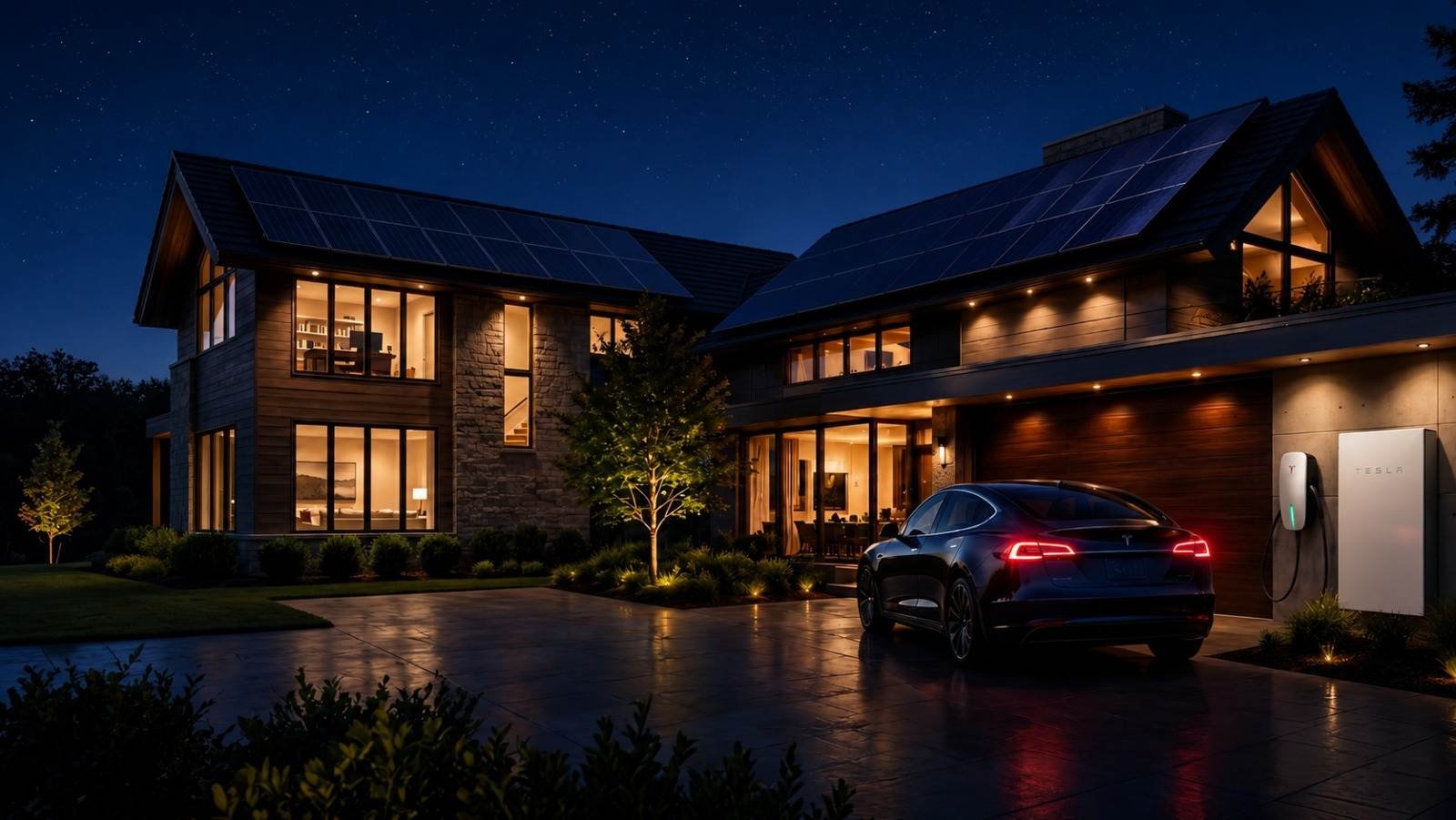
Is a Home EV Charger Worth It? Home vs Public Charging
A home EV charger is one of the first upgrades many new electric-vehicle owners consider. It is also a fair question to ask whether it is truly worth the upfront cost, or whether public charging is good enough. The honest answer is that it depends on how and where you drive. This guide breaks down the real costs and benefits of home charging versus public charging so you can decide with clear eyes.
The upfront cost of a home charger
A Level 2 home charger install typically costs about $400 to $1,800 before your final quote. The range is wide because it depends on your home. Key factors include how far the charger sits from your electrical panel, whether your panel has spare capacity, and whether any panel upgrade is needed. A charger mounted right next to the panel is cheap to wire. One across the garage or in a detached structure costs more.
You also choose the equipment. A basic reliable Level 2 charger costs less than a premium smart model with app control and load management. Either way, the install is a one-time cost, and the charger usually lasts many years.
The long-term savings of charging at home
This is where home charging earns its keep. Charging at home, especially overnight, is almost always cheaper per mile than public fast charging.
Home versus public fast charging
Public DC fast chargers are convenient on road trips, but they usually carry the highest prices per unit of energy. Some also add session fees or idle fees. If you rely on them for everyday charging, the cost adds up quickly and can rival the cost of gasoline. Charging at home on your normal electric rate is typically far less per mile.
Overnight and time-of-use rates
Many utilities offer time-of-use rate plans that make overnight electricity much cheaper. If you set your car or charger to fill up while you sleep, you pay the lowest rate your utility offers. Over the years you own the car, this daily habit can save a meaningful amount compared with public charging, and it happens automatically once it is set up.
Convenience: the benefit that is hard to price
Ask most EV owners what they love about home charging and they rarely lead with money. They lead with convenience. You plug in when you get home and unplug in the morning with a full battery. There are no detours to a charging station, no waiting for an open stall, no apps or payment screens, and no standing around in bad weather. For daily commuting and errands, you may never think about charging again.
Public charging still has its place. On long road trips, DC fast chargers are essential, and it is smart to know where they are. But for the routine driving that makes up most miles, home charging removes a chore from your week.
Battery health and charging speed
Home Level 2 charging is gentle on your battery. It adds a steady, moderate charge over several hours, which is well suited to daily use. Frequent DC fast charging, by contrast, pushes a lot of energy in quickly and generates more heat. Occasional fast charging is fine and part of normal ownership, but relying on it every day is not ideal for long-term battery health. Charging at home overnight lets you keep the battery in a comfortable range without stress.
Home value and future-proofing
A properly installed Level 2 charger, or even the wiring and panel capacity to support one, can be a selling point as more buyers drive electric. It signals that the home is ready for an EV, which not every house is. Even if you are not thinking about selling, installing enough electrical capacity now saves you from redoing work later if you add a second EV or a larger vehicle.
Who benefits most from a home charger
A home charger makes the most sense for certain drivers:
It makes less sense if you rent without a place to install one, park on the street with no nearby outlet, or drive so few miles that a standard wall outlet already keeps up. Some low-mileage drivers do fine with slower Level 1 charging from a regular outlet and never need a Level 2 unit at all.
- Homeowners with a garage or driveway where a charger can be mounted near parking.
- Daily commuters who add predictable miles and value waking up to a full battery.
- Households with a time-of-use rate plan that rewards overnight charging.
- Two-EV families, who get the most value from charging both cars at home.
- People far from convenient public charging, for whom home charging is the practical option.
Adding it up
For most EV owners with a place to park and plug in, a home charger pays off through a mix of lower charging costs, real daily convenience, gentler battery use, and added home appeal. The upfront install is a one-time expense, while the savings and convenience repeat every day you own the car.
If you want to know what an install would cost at your home, Charge Home Solutions works with licensed local electricians nationwide and handles permits and inspections. We give you a clear quote first, with no pressure. Call 888-995-6044 for a free quote.
Frequently asked questions
Charging at home, especially overnight on a time-of-use rate, is typically far cheaper per mile than public DC fast charging, which usually carries the highest prices and sometimes extra fees. Exact savings depend on your utility rate and driving.
Maybe not. Low-mileage drivers sometimes do fine with slower Level 1 charging from a standard outlet. A Level 2 home charger makes the most sense for daily commuters and higher-mileage households.
Occasional DC fast charging is normal and fine. Relying on it every day generates more heat and is less ideal long term. Home Level 2 charging is gentler and better suited to daily use.
It can. A properly installed charger, or the wiring and panel capacity to support one, signals the home is EV-ready, which appeals to a growing number of buyers.
Related guides
Level 1 vs Level 2 EV Charging: Which Do You Need?
The real-world difference between Level 1 and Level 2 home charging speeds and costs.
Read article →The Best Home EV Chargers in 2026
Our pick of the best Level 2 home EV chargers compared on speed, features, and value.
Read article →EV Charger Installation Laws by State: What Homeowners Must Know
Permits, codes, right-to-charge laws, and HOA rules for installing a home EV charger, and how they vary by state.
Read article →NEMA 14-50 vs Hardwired EV Charger: Which Is Better?
Should you install a NEMA 14-50 outlet or hardwire your Level 2 EV charger? The real differences in charging speed, cost, safety, and code.
Read article →How Long Does EV Charger Installation Take?
Most home EV charger installs take 2 to 4 hours, but the full timeline from booking to a working charger depends on your panel and the permit. Here's what to expect.
Read article →Level 1 vs Level 2 EV Charging: Which Do You Actually Need?
Level 1 charging uses a standard 120-volt outlet and adds roughly 3 to 5 miles of range per hour. Level 2 uses a 240-volt circuit and adds about 20 to 40 miles per hour, many times faster. Most EV owners...
Read article →