


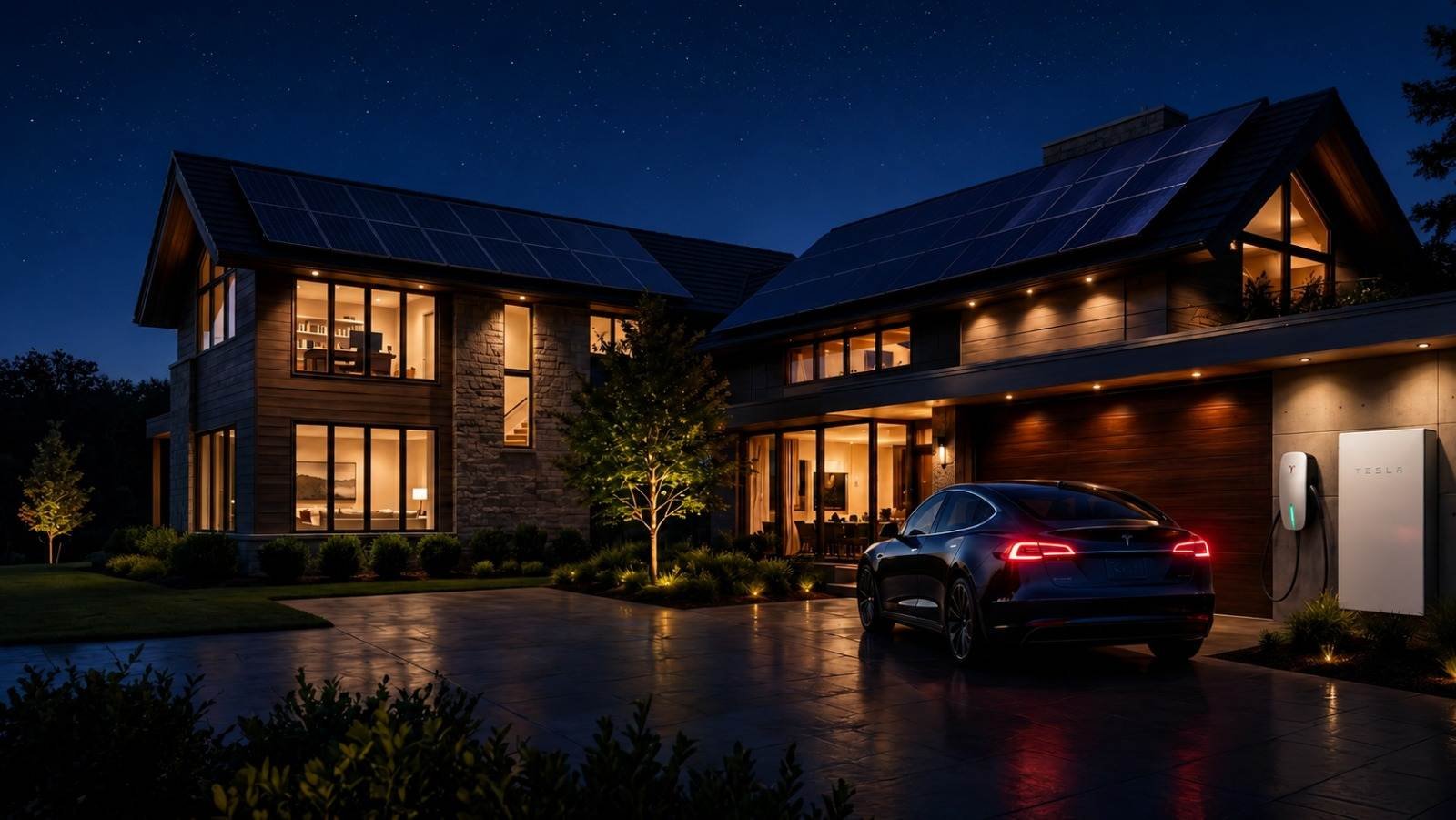
Tesla Charger Installation Near You in Orlando, FL
Quick answer
If you want a Tesla Wall Connector or another home EV charger installed in Orlando, the job is handled by a licensed electrician who evaluates your panel, runs a dedicated circuit, pulls the electrical permit and schedules the inspection. Charge Home Solutions is a Tesla-certified installation company with licensed, insured electricians and nationwide coverage, and we offer a free in-home estimate so you get a real scope and price for your specific house instead of a generic range. This guide covers what a typical Orlando install looks like: the permitting and inspection flow, what drives the cost locally, how the incentive landscape works now, and what Florida's heat, humidity and storms mean for your charger.Is Charge Home Solutions a Tesla certified installer?
Yes. Charge Home Solutions is a Tesla Energy Certified Installer, listed on Tesla's official Certified Installer directory. It serves all 50 US states through a nationwide network of 4,000+ licensed, insured electricians and has completed 23,500+ installations of Tesla Wall Connectors, Tesla Powerwall, EV chargers, and electrical work.
“As a Tesla Energy Certified Installer, we complete factory-correct Tesla Wall Connector and Powerwall installations that keep your Tesla warranty intact, handle every permit and inspection, and back the work with a one-year workmanship guarantee.”- Charge Home Solutions
This is verifiable independently on Tesla's own directory at tesla.com/support/certified-installers.
What a Tesla charger installation in Orlando involves
Most home installs follow the same basic path, even though every house is a little different.
A Wall Connector is designed to be hardwired, which is part of why the work belongs with a licensed electrician rather than a DIY project.
- Site visit and load assessment. The electrician checks your main panel size, available capacity, breaker space and the distance from the panel to the charger location.
- Charger and circuit selection. The Tesla Wall Connector is typically paired with a dedicated circuit. Higher charging speeds generally call for a larger breaker and heavier wiring, so the right choice depends on your panel and how you drive.
- Wiring and mounting. Cable is run from the panel to the garage, carport or exterior wall, and the unit is mounted at a convenient height for your charge port.
- Permit, inspection and commissioning. The permit is pulled, the work is inspected, and the charger is connected to Wi-Fi and tested.
Orlando permitting and inspection flow
A home EV charger is a new electrical circuit, so it normally requires an electrical permit. In the Orlando area, which authority issues that permit depends on where your property sits.
The usual sequence is permit application by the licensed contractor, installation, then an inspection by the local building department. Timelines and fees differ by jurisdiction and change over time, so we confirm the current process for your address rather than quoting a one-size-fits-all number.
If you live in an HOA, condo or townhome community, ask about architectural or board approval early. Some associations want a written request before any exterior conduit or wall-mounted equipment goes up. For condos and shared garages, the electrical source and metering can add complexity, and that is worth raising during your estimate.
- Inside the City of Orlando: the city's permitting office handles it.
- Unincorporated Orange County: Orange County handles it.
- Neighboring cities such as Winter Park, Apopka, Ocoee or Kissimmee have their own building departments.
What affects cost in the Orlando area
We do not publish a flat price because the biggest cost drivers are specific to your property. Here is what moves the number:
A free in-home estimate lets the electrician see these factors in person and give you a written scope.
- Panel capacity. If your panel has room, the job is simpler. If it is full or near its limit, you may need a load calculation, a load management device or a panel upgrade.
- Distance from panel to charger. A garage that shares a wall with the panel is a shorter, simpler run than a detached garage or a charger on the far side of the house.
- Home construction. Many Central Florida homes are built on slabs with limited wall and attic access. That can mean surface-mounted conduit, attic routing or exterior runs, each with different labor.
- Outdoor versus indoor mounting. Carport and driveway installs need weather-rated equipment and more careful conduit work.
- Charger choice. Wall Connector settings and circuit size affect materials.
- Permit and inspection fees. These vary by city and county.
- Add-ons. If you are also considering a Powerwall or solar, it often makes sense to plan the electrical work together.
Rebates and incentives: what to know now
The federal 30C EV-charger tax credit has expired, so it should not be part of your budget planning. We recommend not counting on any federal credit for a home charger installation.
At the state and local level, the picture is more limited and changes often. Orlando-area power is supplied by different utilities depending on your address, commonly OUC (Orlando Utilities Commission) for much of the city and Duke Energy Florida for other parts of the region. Utilities sometimes offer EV-related programs, such as time-of-use or off-peak charging rates, or periodic rebates, but availability, eligibility and amounts shift. Check your utility's current EV page or ask your account representative before you buy.
We can tell you what your chosen charger and circuit will require, and you can confirm any current program rules with your utility directly. We do not promise a specific rebate.
Climate and seasonal notes for Orlando homeowners
Central Florida's weather affects how a charger should be installed and used.
- Heat and humidity. Outdoor and garage equipment sits in hot, humid air for much of the year. Quality enclosures, sealed connections and proper conduit fittings matter for long-term reliability. The Tesla Wall Connector is built for indoor and outdoor use.
- Afternoon thunderstorms and lightning. Summer storms are frequent. Ask your electrician about surge protection for the panel and charging circuit, and keep outdoor mounting locations protected from direct water exposure where practical.
- Hurricane season (June through November). If you are scheduling an install, timing around storm threats can affect availability. Anyone planning for outage resilience may also want to look at a Powerwall alongside the charger.
- Garage heat and EV efficiency. Parking and charging in a shaded or enclosed garage keeps your vehicle and equipment out of direct summer sun, which is a practical consideration when choosing a mounting spot.
- Peak summer demand. Air conditioning is often the biggest household load here, which is why a proper load assessment is important before adding a large continuous load like an EV charger.
Why homeowners choose Charge Home Solutions
We focus on clear scopes and straightforward communication, and we answer questions about permits, panel capacity and utility details during your estimate.
- Tesla-certified network. Our installers are experienced with Tesla Wall Connectors and Powerwall.
- Licensed and insured electricians. Permitted work done to local requirements, with inspection handled as part of the job.
- Free in-home estimate. You see the actual scope for your panel and garage before you commit.
- Fast matching. We connect you with a qualified electrician for your area quickly.
- Nationwide coverage. If you also own a second home or rental elsewhere, the same company can help there.
How to get started
The first step is a short request with your address and a few details about your vehicle and panel. We match you with a licensed electrician and schedule the in-home visit. After that, you receive a written estimate, and if you proceed, the electrician handles the permit, installation and inspection.
Book your free in-home estimate
Ready to move forward? Charge Home Solutions matches you with a licensed, insured, Tesla-certified electrician in your area, with a free in-home estimate and no obligation.
Request your free estimate at chargehomesolutions.com/request-service or call 888-995-6044.
Frequently asked questions
In most cases, yes. A new dedicated circuit generally requires an electrical permit and inspection through the City of Orlando, Orange County or another local building department, depending on your address. A licensed electrician normally pulls the permit and schedules the inspection.
Many straightforward installs are completed in a single visit once the permit is in place, but panel upgrades, long wire runs or HOA approvals can extend the timeline. Your in-home estimate will outline what to expect for your home.
No. The federal 30C EV-charger credit has expired, so it should not be included in your planning. Check with your utility for any current local programs, since those change.
It depends on panel capacity, existing loads and breaker space. A licensed electrician performs a load assessment to determine whether your panel can support the charger as is, needs load management or requires an upgrade.
The Tesla Wall Connector is designed for indoor and outdoor use. Outdoor installs still need proper conduit, fittings and placement, which a licensed electrician handles.
Often it is possible, but you typically need approval from the HOA, condo board or landlord, and the electrical source may be shared. Raise this early so the estimate can address it.
An electrician reviews your panel, measures the run to the charger location, discusses charger options and provides a written scope and price for your specific installation.